

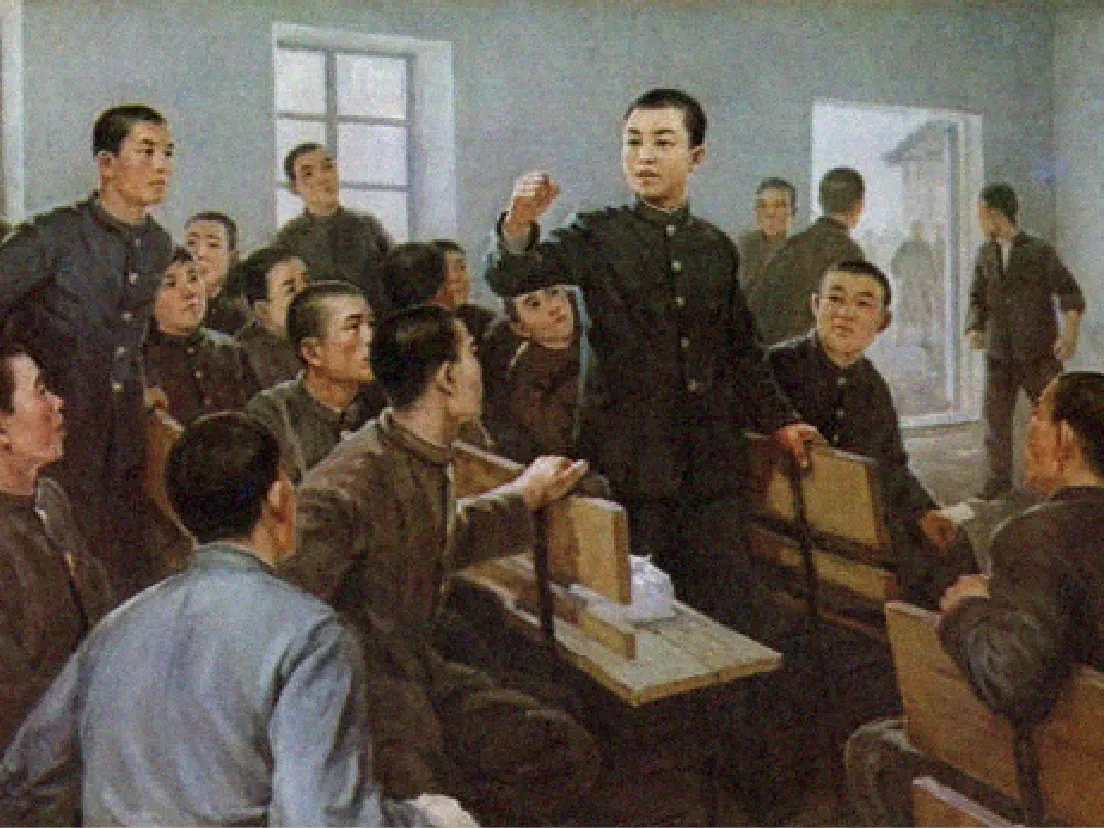

North Korea’s unique political culture and the Kim dynasty’s pervasive cult of personality stem from the historical influence of 19th-century American Protestantism. Pyongyang, once dubbed the "Jerusalem of the East," served as a fertile ground for missionary work by figures like Samuel Moffat, whose efforts established a network of Christian institutions that deeply shaped the region’s social fabric. Kim Il-sung, raised in this fervent Christian environment, later synthesized these religious rituals and messianic structures with socialist ideology to consolidate power. This syncretism explains the quasi-religious nature of the state, where the Kim family occupies a divine-like status. The regime’s survival, despite the collapse of other socialist states, relies on this weaponized devotion, which mirrors the dynamics of religious cults by demanding absolute, faith-based loyalty from its citizens.
Part 1: Historical Roots, Missionary Influence
Part 2: Political Transition, Rise to Power
Part 3: Juche, State-Religion, Cultism
Part 4: Scholarly Perspectives, Regime Persistence
Sign in to continue reading, translating and more.
Open full episode in Podwise