

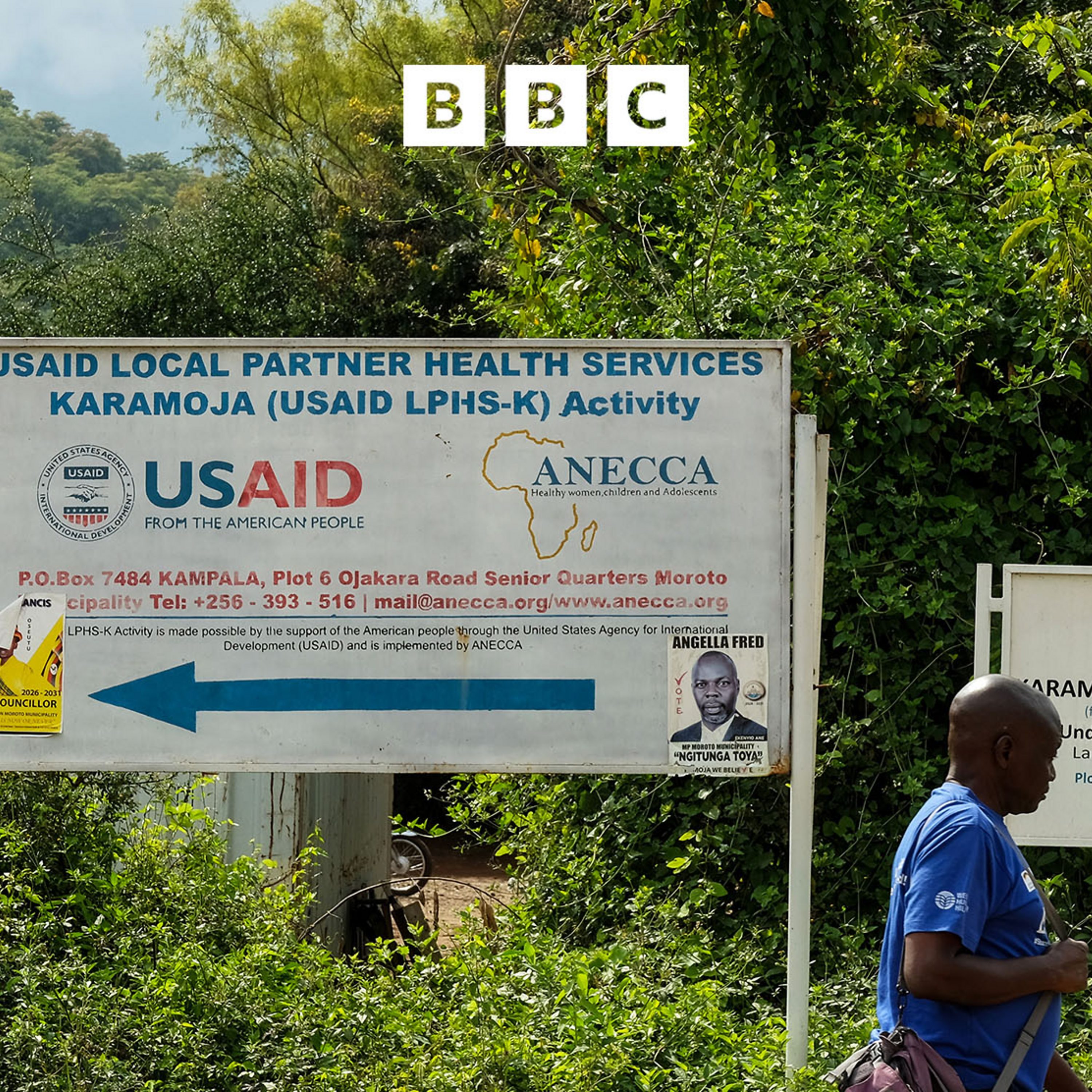
The dismantling of USAID and subsequent foreign aid cuts under the Department of Government Efficiency (DOGE) has sparked a debate over the human cost of reduced international development spending. While the United States was the world's largest aid donor at $62 billion in 2023, its contribution as a share of gross national income remains lower than many European counterparts. Research published in The Lancet suggests these cuts could lead to 14 million additional deaths by 2030, though Dr. Hannah Ritchie notes that such projections are complicated by poor data registration in developing nations and the potential for other donors to fill funding gaps. Despite claims that no deaths have resulted from these policy changes, emerging reports of shortages in mosquito nets, ambulance fuel, and HIV treatments indicate that the withdrawal of life-saving interventions is already impacting global health outcomes.
Sign in to continue reading, translating and more.
Open full episode in Podwise