

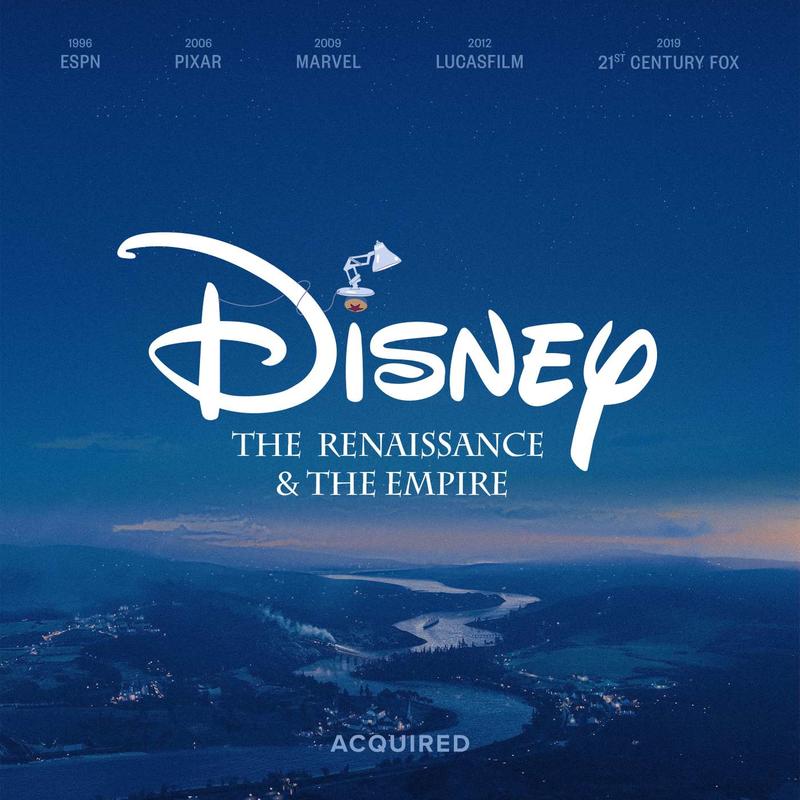

The Walt Disney Company evolved from a struggling animation studio in the 1980s into a global entertainment behemoth by mastering a "flywheel" business model. This strategy centers on creating high-quality, relatable characters and stories that drive revenue across film, theme parks, and consumer products. The 1984 arrival of Michael Eisner and Frank Wells sparked a renaissance, leveraging animation hits like *The Little Mermaid* and *The Lion King* to fuel massive growth. Later, the acquisition of ESPN provided a critical, high-margin cash engine that funded subsequent expansions into Pixar, Marvel, and Lucasfilm. Despite recent challenges from cord-cutting and the high costs of the Disney+ streaming transition, the company remains a powerhouse by pivoting toward a direct-to-consumer model while maintaining its parks as the primary driver of operating income.
Part 1: The Eisner Era and the Disney Renaissance
Part 2: Leadership Crisis and Strategic Shifts
Part 3: The Pixar Partnership and Acquisition
Part 4: IP Expansion and the Franchise Era
Part 5: Modern Challenges and Future Outlook
Sign in to continue reading, translating and more.
Open full episode in Podwise