

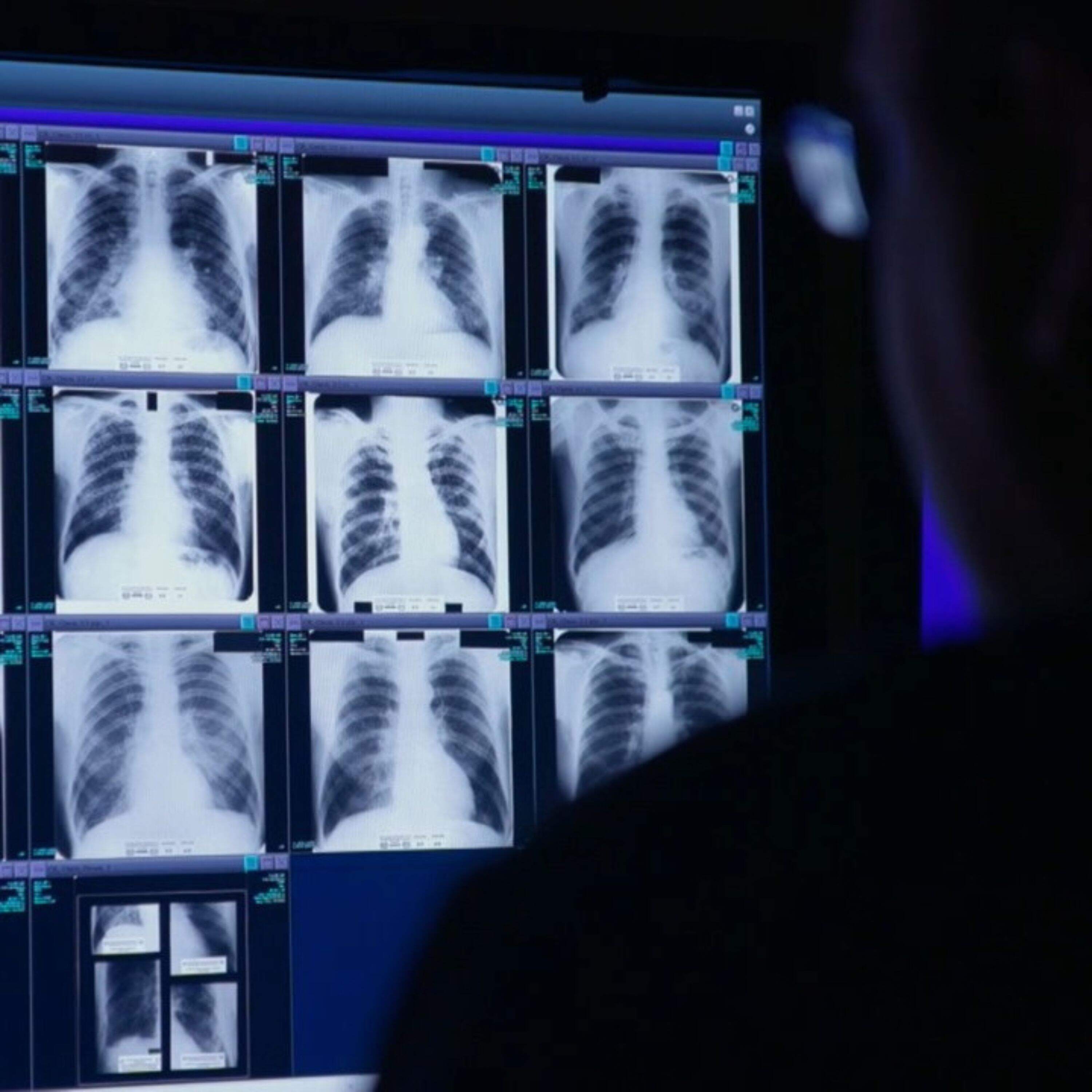

Black lung disease is experiencing a devastating resurgence among coal miners in Appalachia, with current rates reaching levels not seen in nearly 50 years. This spike is primarily driven by the inhalation of toxic silica dust, which is released when mining machines cut through rock to reach thin coal seams. Despite federal safety mandates, regulatory agencies have historically failed to enforce strict exposure limits or act on internal data identifying these dangerous clusters. The human toll is severe, as younger miners are increasingly diagnosed with incurable, progressive massive fibrosis, often leading to premature death by suffocation. While new, more restrictive silica regulations have been proposed, their implementation faces significant legal and political hurdles, leaving miners vulnerable to continued exposure in a system that has historically prioritized industry interests over worker health.
Sign in to continue reading, translating and more.
Open full episode in Podwise