

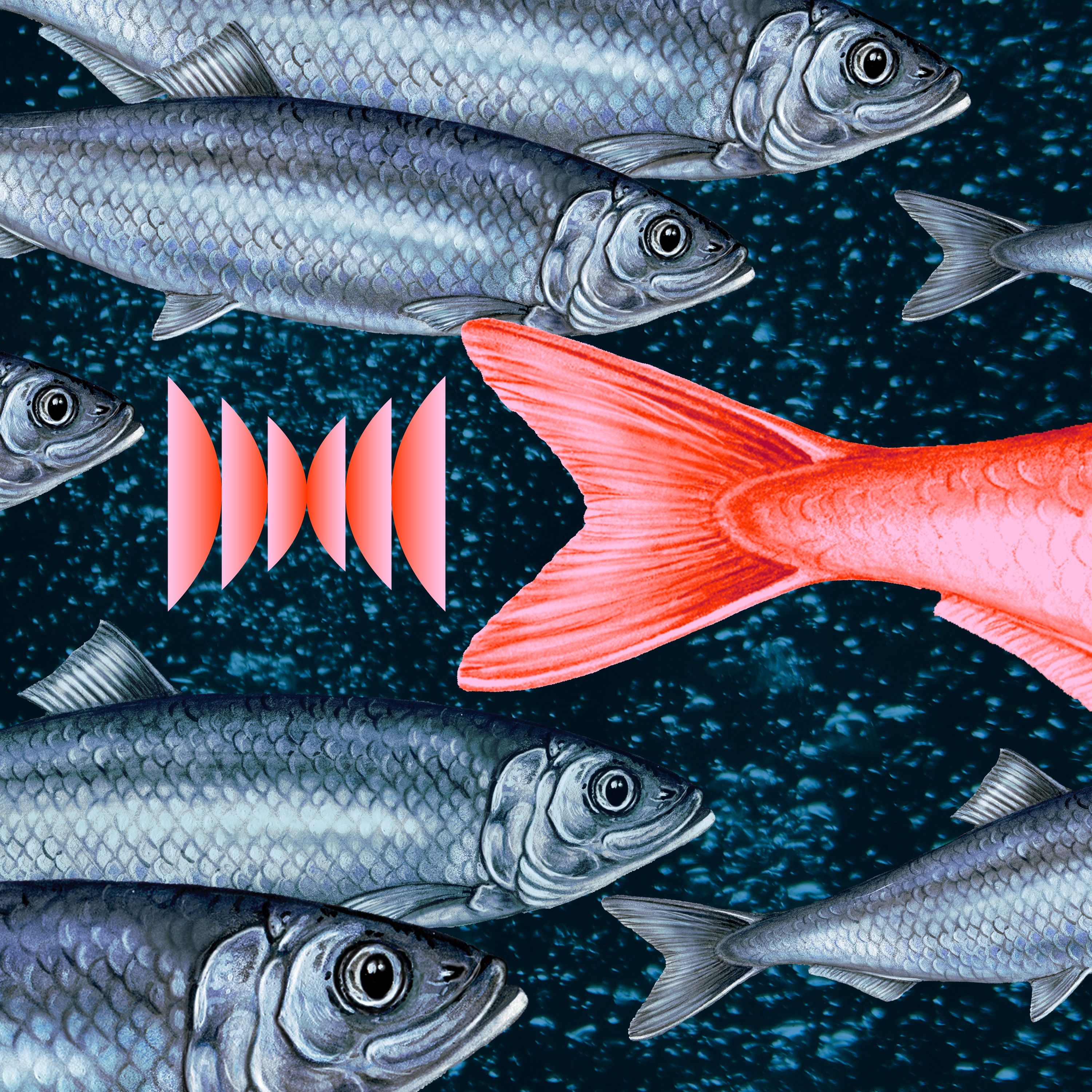
During the Cold War, the Swedish Navy lived in constant fear of Soviet submarine incursions, particularly after a 1981 grounding incident. For over a decade, military hydrophones recorded a repetitive, high-pitched "typical sound" that was classified as definitive evidence of enemy activity. In 1996, oceanographer Magnus Ormstadt and his mentor Håkan Westerberg were recruited to investigate the mystery. They discovered that the sound was not a submarine, but rather the collective noise of thousands of herring releasing gas bubbles from their swim bladders. The military’s reliance on top-down, secretive intelligence and confirmation bias had led them to misinterpret natural biological phenomena as sophisticated enemy maneuvers. This case highlights how institutional paranoia can distort scientific observation, turning a simple biological function into a decade-long geopolitical crisis.
Sign in to continue reading, translating and more.
Open full episode in Podwise