

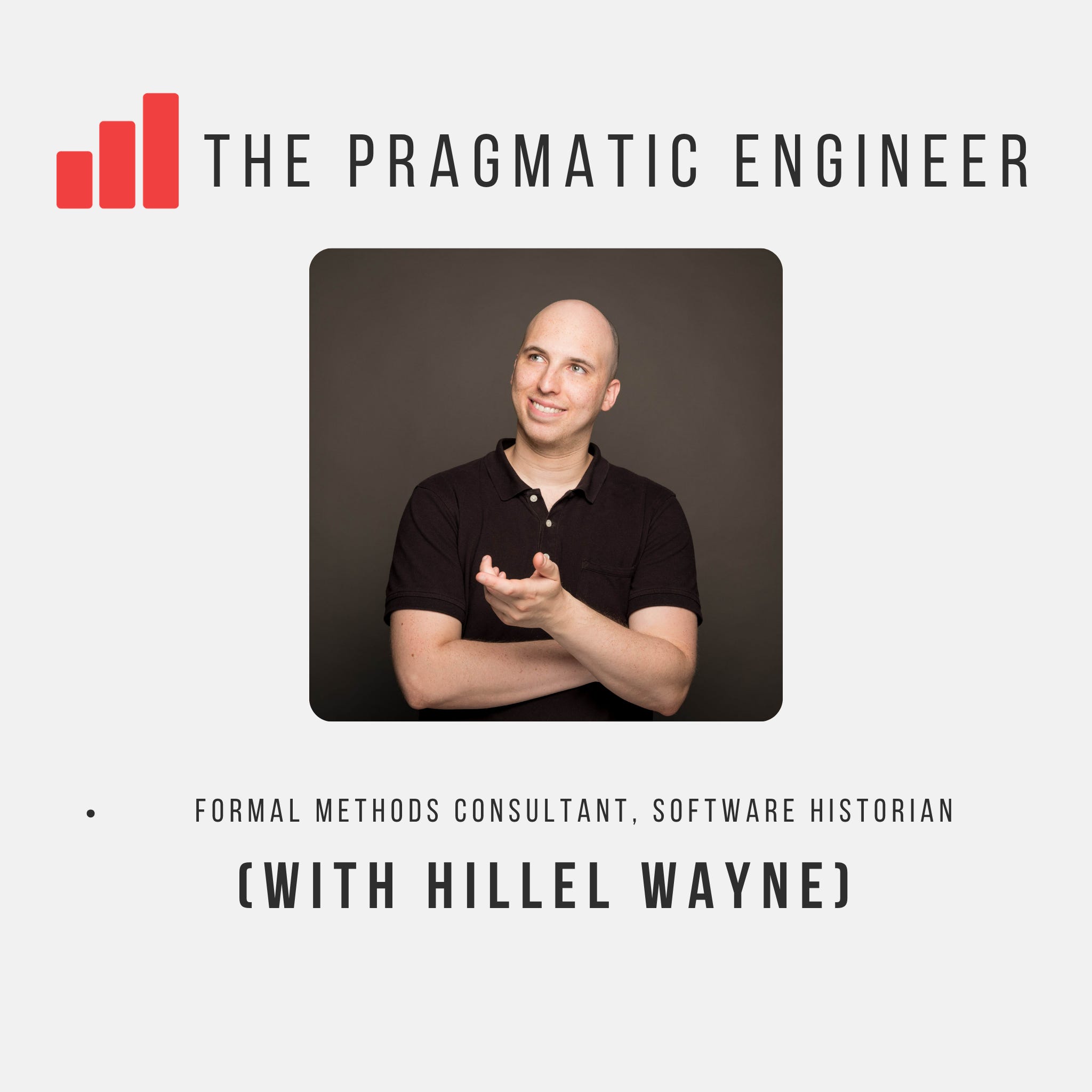

Formal methods offer a rigorous mathematical approach to verifying software correctness, yet their application remains niche due to the high complexity of modeling real-world systems. Software engineering parallels traditional engineering disciplines in its reliance on iterative development and planning, though it uniquely benefits from pervasive version control and open-source knowledge sharing. Tools like TLA+ and Alloy enable engineers to identify subtle concurrency bugs and race conditions that evade standard testing. While AI shows promise as a force multiplier for generating specifications, it currently struggles to define meaningful properties, necessitating human oversight. For most teams, property-based testing provides a pragmatic middle ground, offering sufficient verification without the extreme overhead of full formal proofs. Ultimately, deep domain expertise remains the primary driver for building reliable systems, regardless of the automated tools employed.
Sign in to continue reading, translating and more.
Open full episode in Podwise