

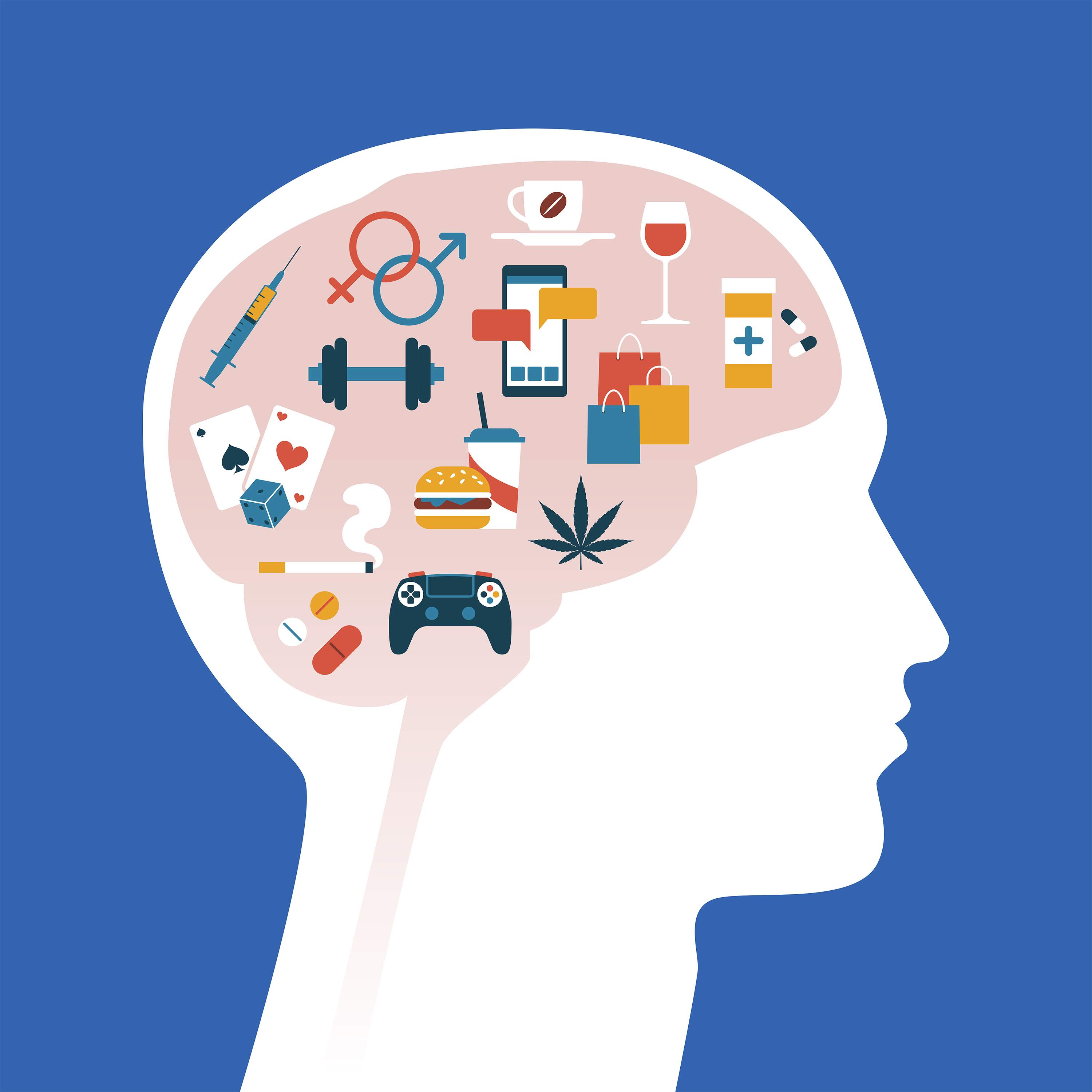

GLP-1 medications, originally developed for diabetes and weight loss, are emerging as potential tools for treating substance use disorders by acting as "moderation molecules." These drugs may modulate the brain's mesolimbic reward pathway, dampening dopamine spikes associated with cravings for alcohol, nicotine, and other addictive behaviors. However, medical experts and recovery coaches emphasize that these medications are not a universal cure. Addiction remains a complex, multifactorial condition rooted in biology, trauma, and environment, necessitating a holistic approach that combines medical intervention with psychological support and community-based recovery programs. Moving beyond the stigma of addiction requires recognizing it as a neurobiological process rather than a moral failing. Ultimately, sustainable recovery relies on developing personal skills, such as self-compassion and mindful presence, to navigate the modern world's tendency toward excess and digital distraction.
Sign in to continue reading, translating and more.
Open full episode in Podwise