

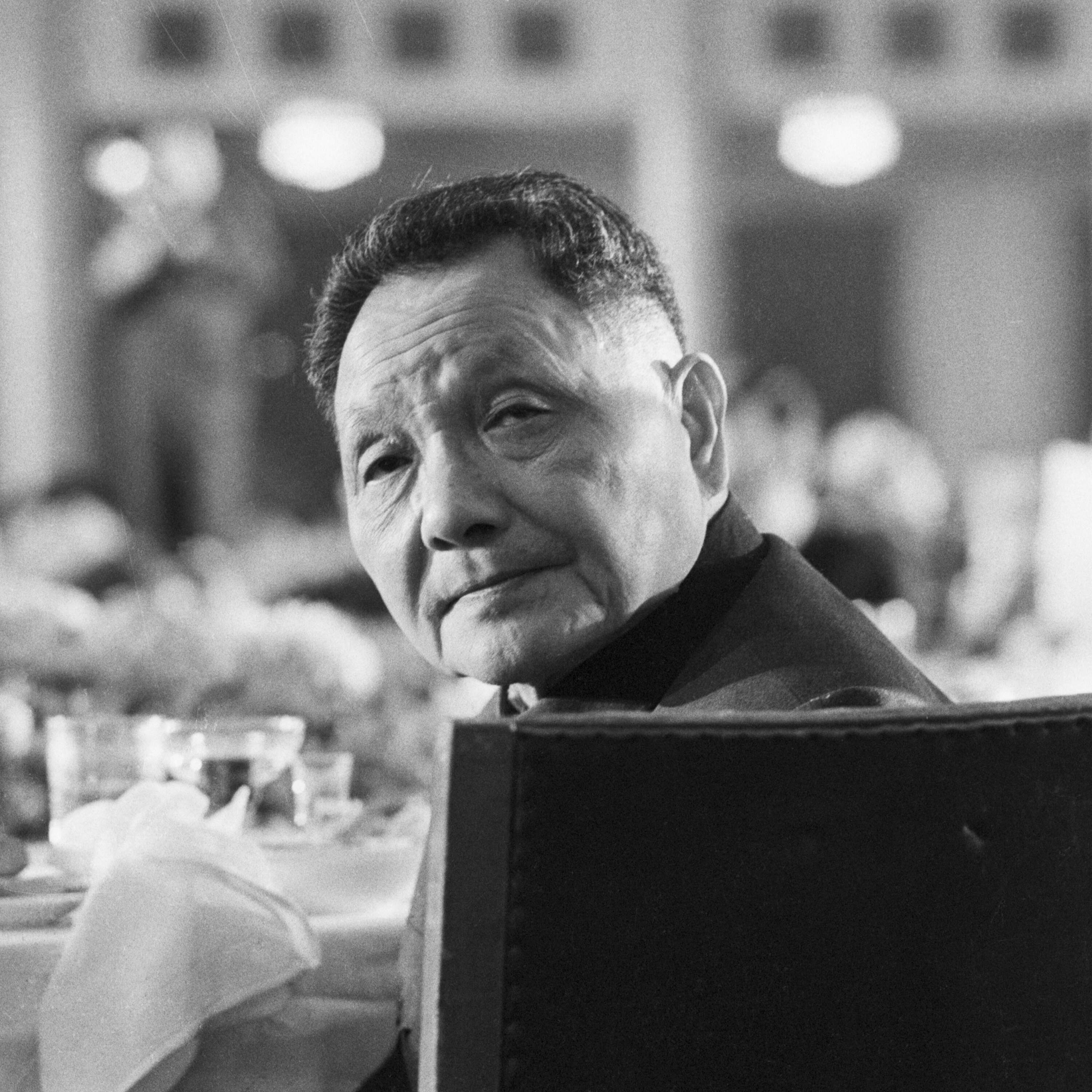

Deng Xiaoping’s pragmatic economic reforms transformed China from an isolated, famine-stricken nation into the world’s manufacturing powerhouse. By establishing Special Economic Zones like Shenzhen in 1980, Deng successfully integrated capitalist market mechanisms into a communist political structure, leveraging cheap, educated labor to attract global investment. This transition, marked by rapid industrialization and "Shenzhen speed," created a symbiotic yet tense economic relationship with the United States. While the 1989 Tiananmen Square protests highlighted the regime's refusal to compromise on political control, Deng’s 1992 southern tour solidified China’s commitment to market-oriented growth. Today, this legacy persists as China evolves into a technological superpower, forcing the West to navigate the complex dilemma of balancing economic dependence on Chinese manufacturing and innovation against fundamental ideological and diplomatic disagreements.
Sign in to continue reading, translating and more.
Open full episode in Podwise