

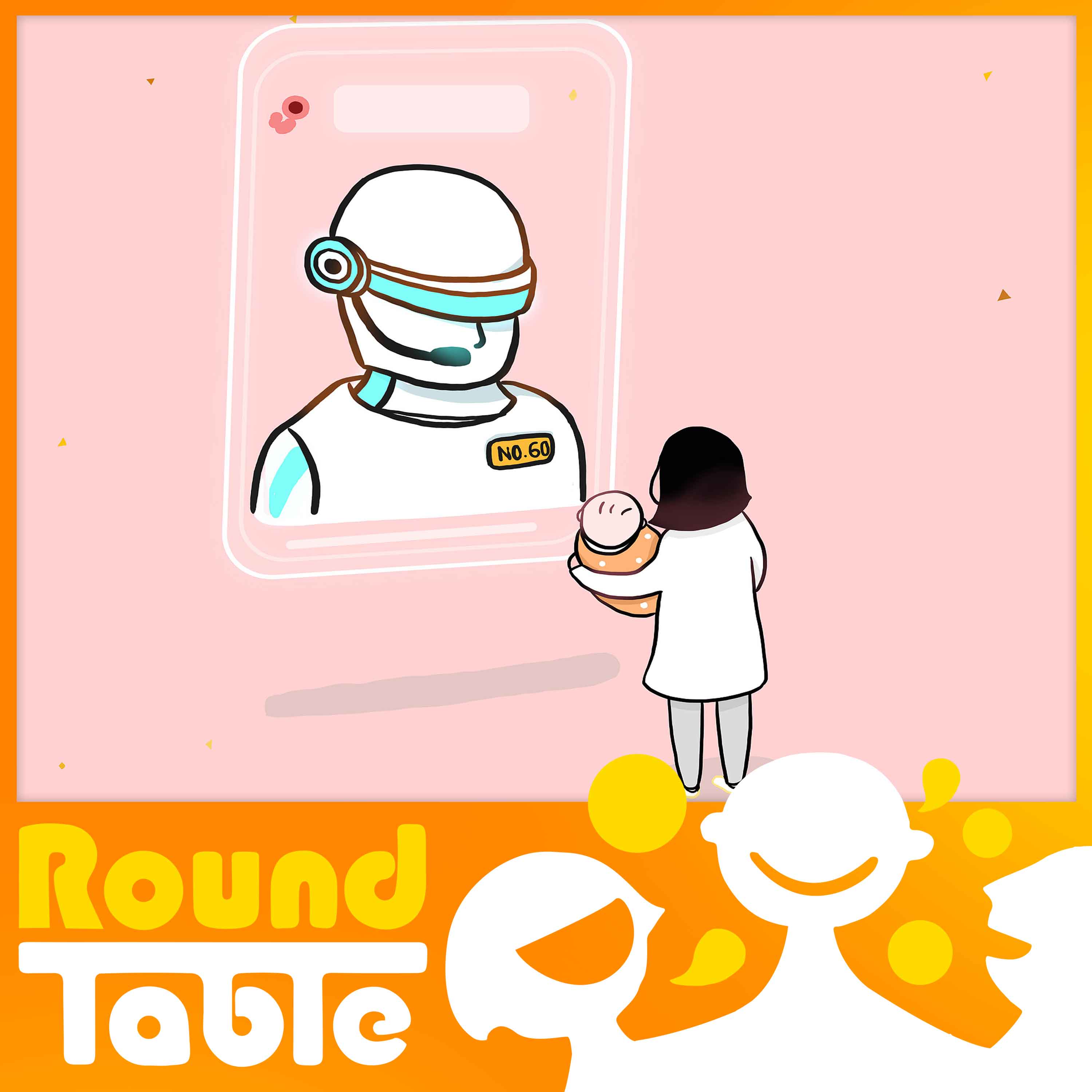

AI-driven pediatric tools are being deployed across China to bridge the gap in healthcare resource distribution, allowing local clinics to provide expert-level diagnostic support. By integrating decades of clinical records from Beijing Children's Hospital and refining them with input from hundreds of specialists, these systems act as a "second opinion" for local physicians rather than a replacement. The technology has already successfully identified complex conditions like mycoplasma infections and corrected misdiagnoses in cases previously labeled as cerebral palsy. However, widespread adoption faces significant hurdles, including skepticism from senior doctors, concerns regarding the quality of human-machine interaction, and the high costs of implementation. Despite these challenges, the project aims to reduce the burden on major urban hospitals by enabling families to receive quality care closer to home, marking a critical shift toward tech-integrated, tiered healthcare systems.
Sign in to continue reading, translating and more.
Open full episode in Podwise