

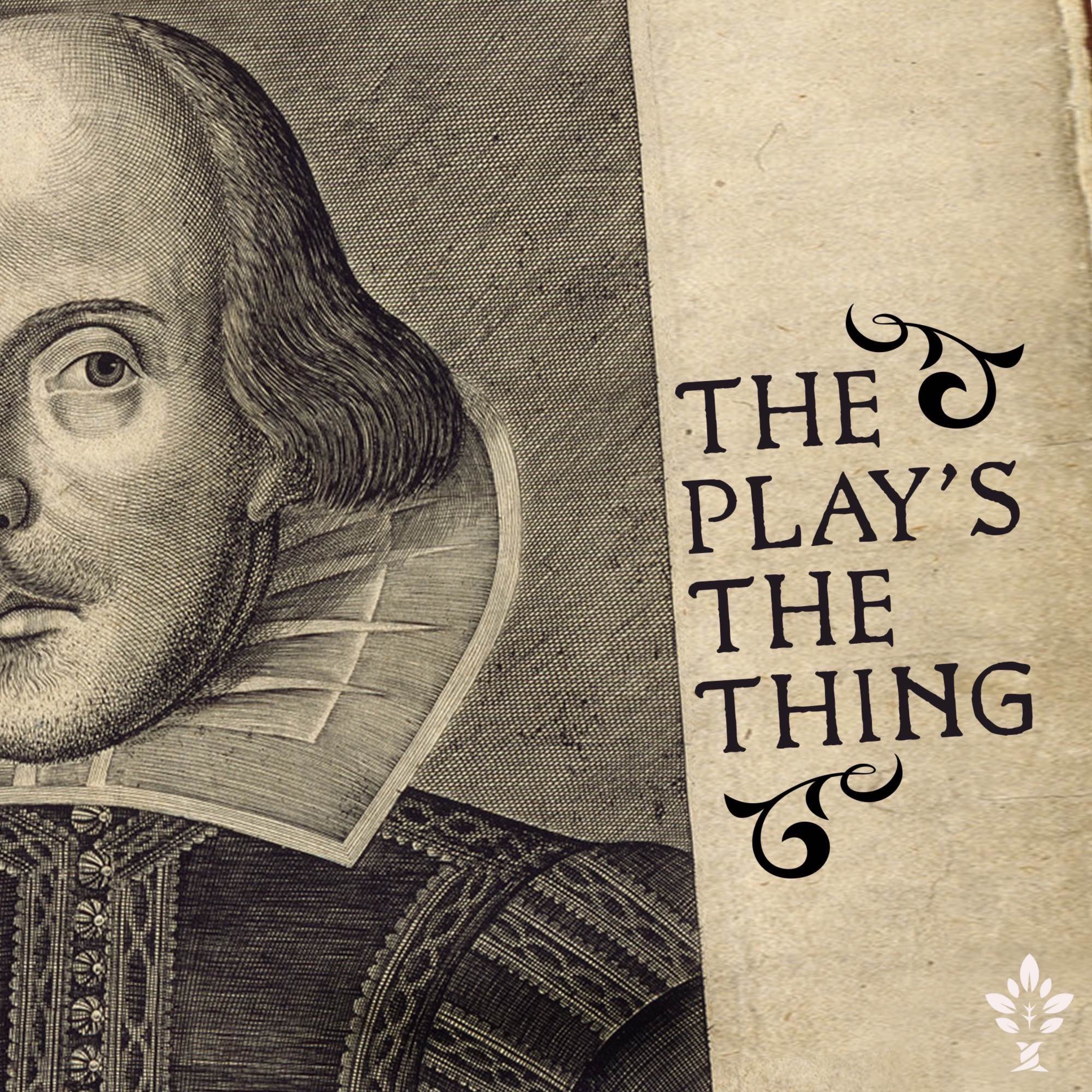
Shakespeare’s plays offer a profound critique of leadership, revealing that the path to power is fraught with peril and often leads to ruin. Rather than technical strategy, success hinges on character, which is frequently undermined by unchecked emotional responses like jealousy, ambition, and pride. While kings often fail due to these internal flaws, secondary characters—such as Kent in *King Lear* or Paulina in *The Winter’s Tale*—frequently serve as the moral compass, courageously speaking truth to power despite the risk of exile or death. Ultimately, effective leadership requires self-awareness and the wisdom to reject destructive influences, as demonstrated by Prince Hal’s choice to embrace his royal duty over the seductive, chaotic companionship of Falstaff. These lessons underscore that character is destiny, and those at the top must navigate thin air where the consequences of failure are absolute.
Sign in to continue reading, translating and more.
Open full episode in Podwise