

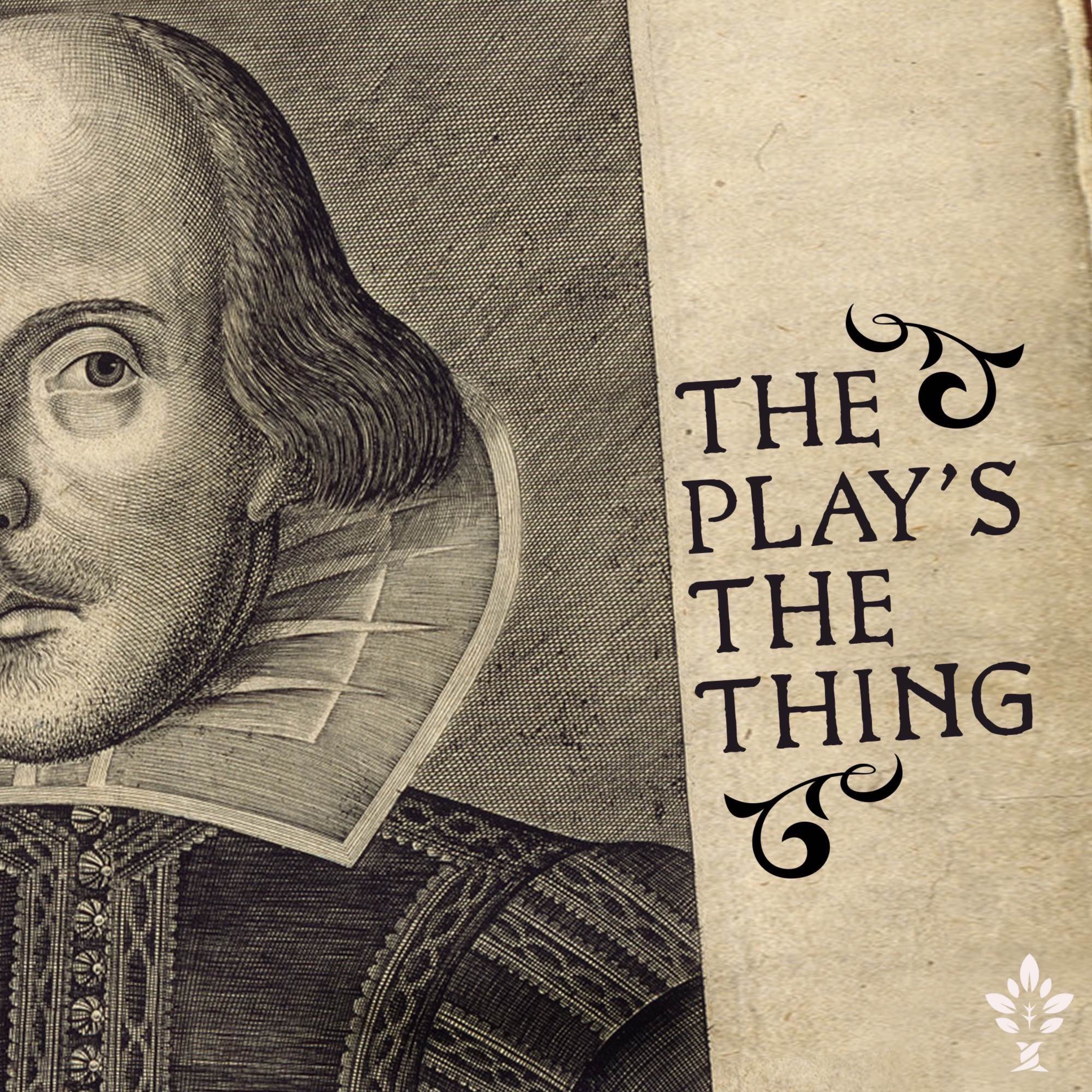
The Protestant Reformation fundamentally shifted the philosophical landscape of the 16th century, creating an epistemic rupture that forced individuals to navigate personal responsibility and religious uncertainty. Shakespeare’s works, particularly his tragedies and histories, mirror this era by exploring the limits of authority and the moral weight of individual conscience. While central characters like Hamlet or Macbeth often appear bound by historical or divine fate, secondary figures provide a more nuanced look at human agency and ethical decision-making. Rhetoric serves as a central, often dangerous tool in this environment; characters like Iago and Claudius weaponize persuasive language to manipulate reality, reflecting contemporary anxieties about the power of speech when divorced from moral truth. Ultimately, these plays function as a profound meditation on the nature of belief, the fragility of power, and the individual’s struggle to find certainty in a fractured world.
Sign in to continue reading, translating and more.
Open full episode in Podwise