

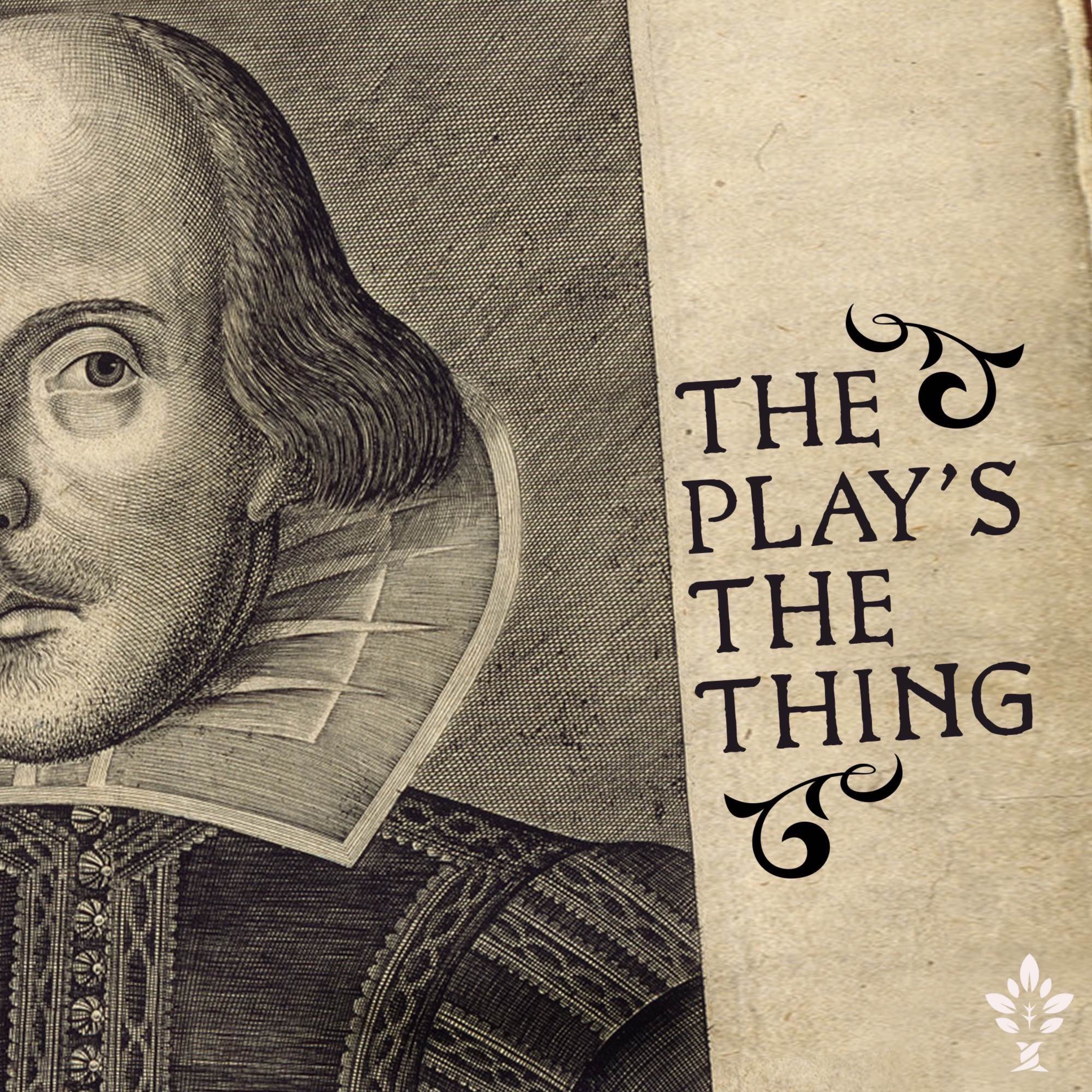
Hamlet serves as a profound study in cosmic instability, where characters navigate competing loyalties and the dissolution of traditional authority. The play’s central tension arises from Hamlet’s struggle to reconcile his genuine affection for Ophelia with the crushing weight of his duty. The Ghost’s true nature remains intentionally opaque; rather than a simple source of justice, it may function as a manipulative power using truth to orchestrate destruction. This instability mirrors the historical transition from medieval to Copernican cosmology, signaling a broader breakdown of religious and ethical certainty. Gertrude’s intimate, firsthand account of Ophelia’s drowning adds a layer of mystery, fueling debates over her potential complicity in a world where every relationship and institution is fractured. Ultimately, the play offers no easy resolution, forcing audiences to confront the inherent ambiguity of human existence and the necessity of maintaining a faithful presence amidst decay.
Sign in to continue reading, translating and more.
Open full episode in Podwise