

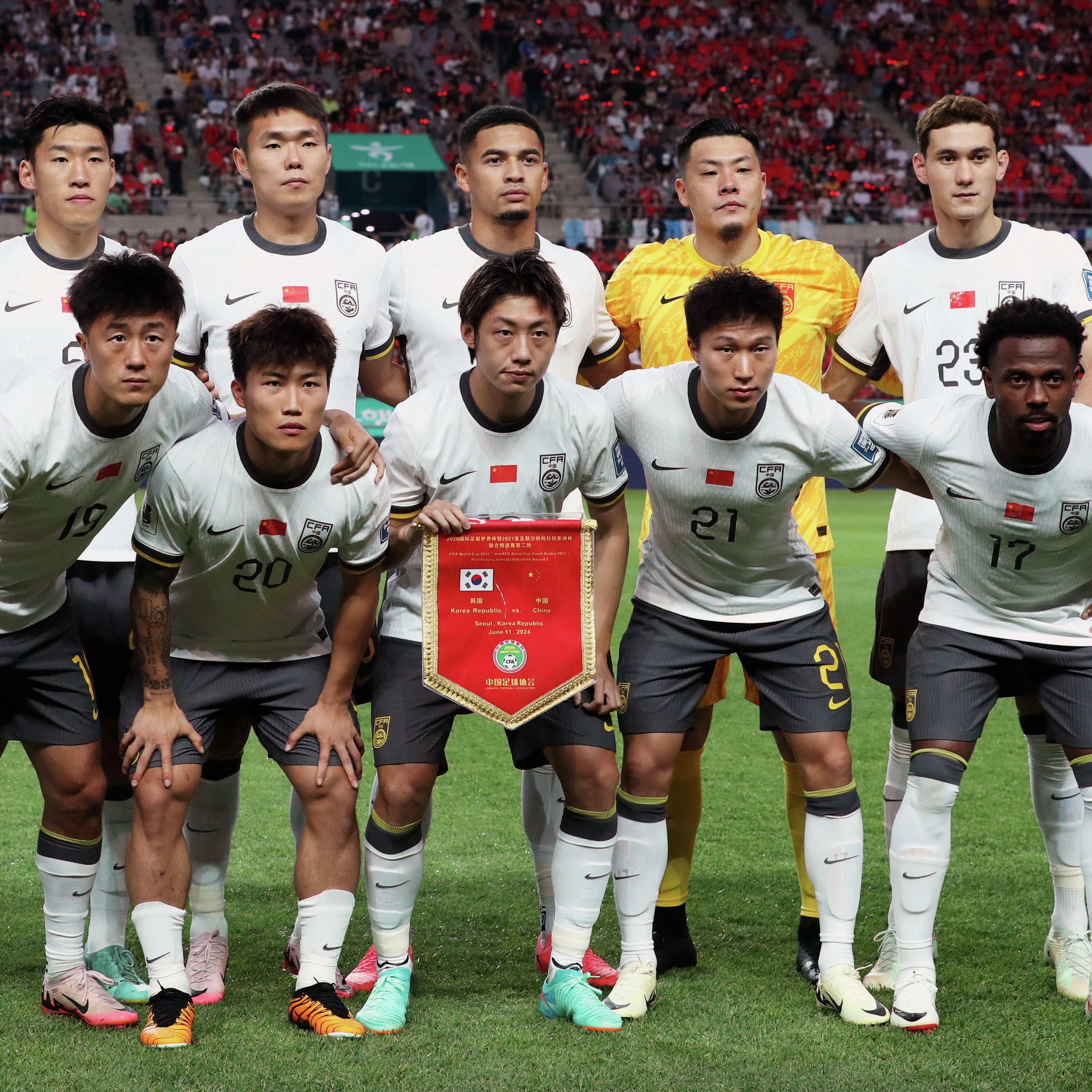
China’s persistent failure to achieve international football success stems from a fundamental mismatch between its top-down, state-engineered sports model and the grassroots, organic nature of the game. While this centralized approach produces Olympic champions in disciplined sports like diving and gymnastics, it stifles the creativity and joy essential for football. Intense academic pressure, epitomized by the Gaokao, forces families to prioritize traditional education over uncertain athletic careers, effectively squeezing out a sustainable talent pipeline. Furthermore, systemic corruption and the lack of independence within the Chinese Football Association exacerbate these issues. Although the government has attempted to overhaul the sport through massive investment and policy plans, success remains elusive. Current economic stagnation may eventually shift parental incentives, potentially encouraging more families to view professional football as a viable career path, though structural reform remains the primary hurdle for long-term development.
Sign in to continue reading, translating and more.
Open full episode in Podwise