

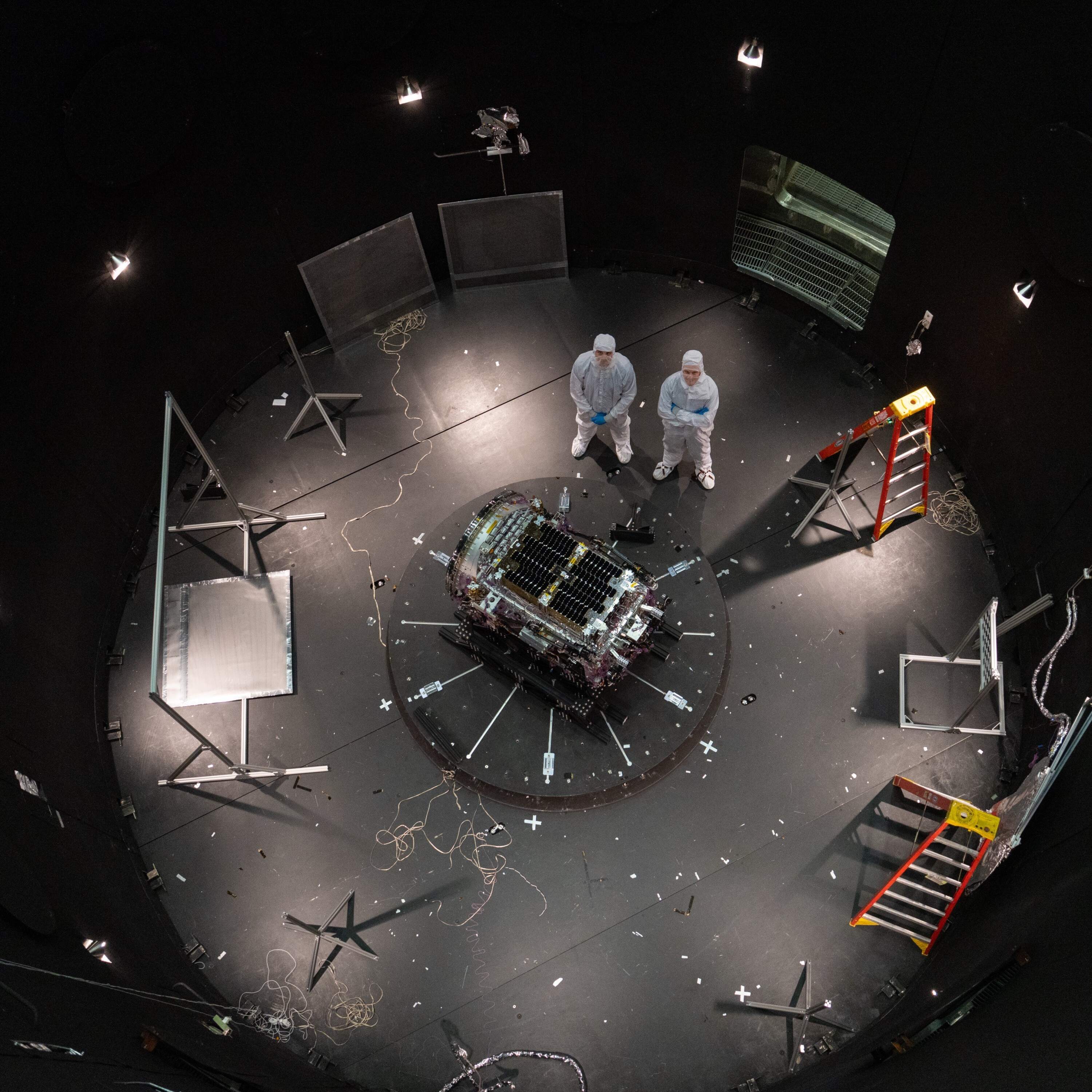

The Neil Gehrels Swift Observatory, a NASA mission launched in 2004 to study gamma-ray bursts, faces premature reentry due to increased solar activity causing atmospheric expansion. To prevent the loss of this valuable asset, NASA launched a robotic spacecraft named Link, designed to autonomously dock with and boost the telescope into a higher, more stable orbit. This mission represents a technological milestone as the first autonomous robotic capture of a satellite not originally designed for servicing. Developed in a compressed nine-month timeline, the project demonstrates a new model for rapid-response space operations. Beyond saving the Swift mission, this effort establishes a precedent for future satellite maintenance, including refueling and instrument upgrades, which could significantly enhance the sustainability and longevity of assets in low Earth orbit.
Sign in to continue reading, translating and more.
Open full episode in Podwise