

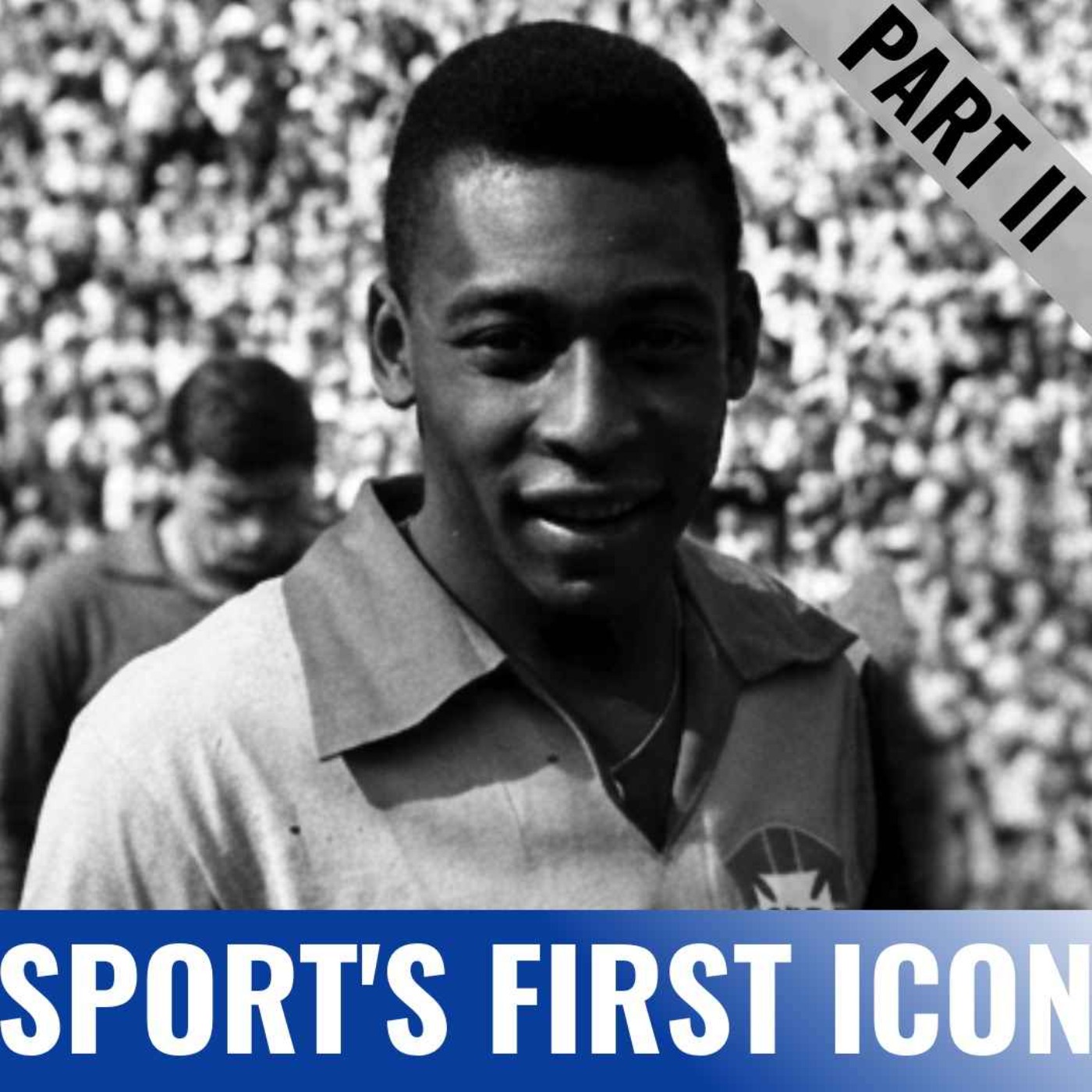
The World Cup functioned as a pivotal arena for decolonization, nationalism, and Cold War influence throughout the mid-20th century. As former imperial powers weakened, newly independent nations in Africa and Asia leveraged football to assert sovereignty, challenge racial hierarchies, and announce their presence on the global stage. The Algerian FLN team’s unofficial tours and Ghana’s "Black Stars" exemplified how the sport became a vital instrument for anti-colonial diplomacy and state-building. Meanwhile, the 1964 boycott of FIFA’s exclusionary qualification process exposed the persistent inequities of a system still dominated by European and South American interests. Iconic players like Pelé and Eusébio further subverted traditional narratives of talent and discipline, proving that merit could transcend structural barriers. Ultimately, the tournament evolved from an imperial export into a contested space where the rest of the world claimed ownership of the game.
Sign in to continue reading, translating and more.
Open full episode in Podwise