

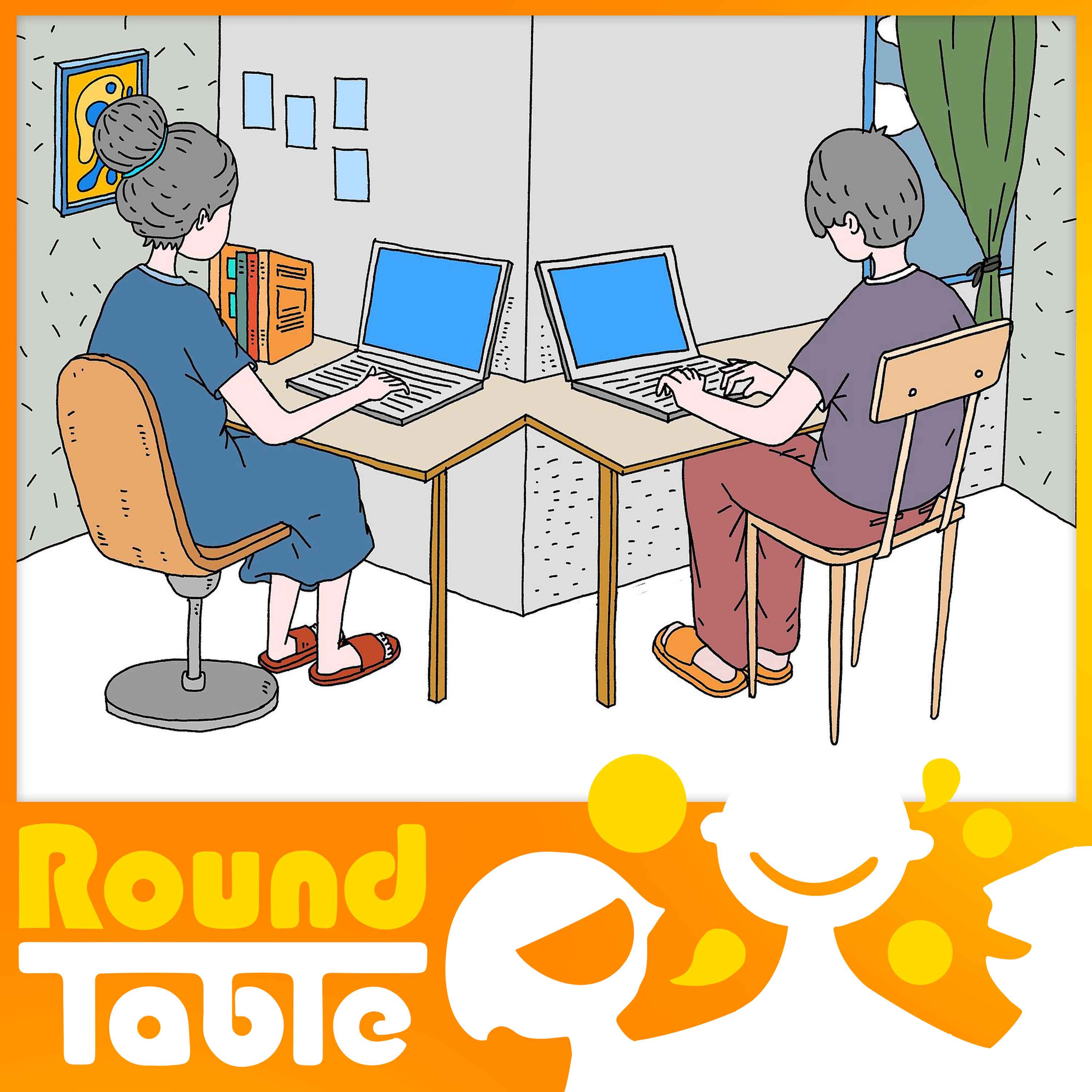

The shift toward remote work has created a significant mental health paradox, as the convenience of home offices masks a growing crisis of isolation. Research reveals that over 80% of remote employees spend their entire workday alone, a lack of human contact that triggers anxiety and depression while mirroring the physiological effects of sleep deprivation. Beyond the individual toll, remote work disrupts personal relationships, particularly for couples sharing a home, as constant digital connectivity blurs the boundaries between professional duties and private life. Human brains require consistent social stimulus—even superficial interactions like small talk with a barista or neighbor—to regulate stress and maintain cognitive health. While remote work offers flexibility, it necessitates intentional efforts to seek physical social engagement to prevent the long-term psychological and physical damage caused by chronic isolation.
Sign in to continue reading, translating and more.
Open full episode in Podwise