

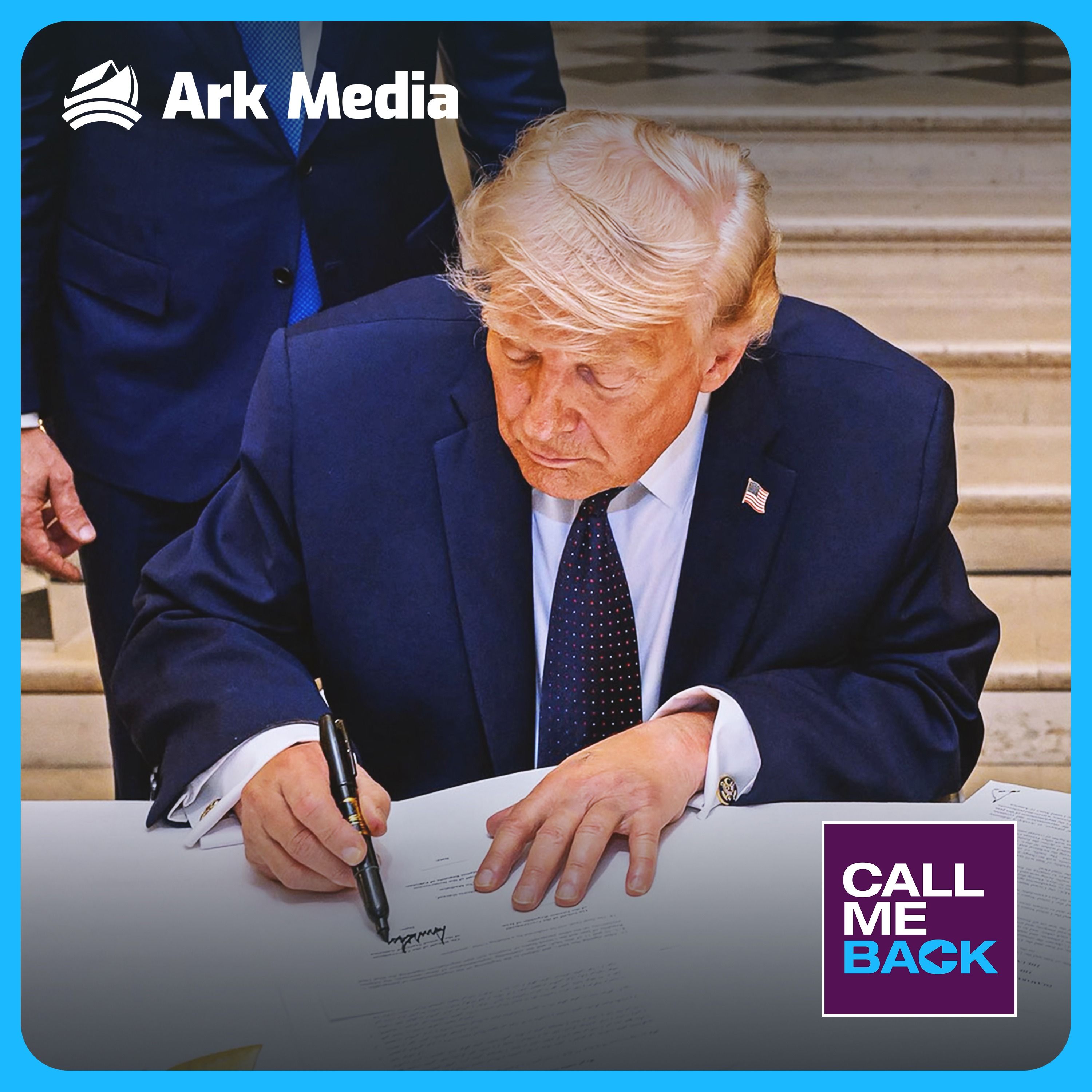

The recent conflict between Israel and Iran highlights the persistent disconnect between military success and political resolution in the Middle East. Despite Israel’s effective degradation of Iranian air defenses, nuclear capabilities, and Hezbollah’s leadership, the resulting Memorandum of Understanding suggests a strategic stalemate rather than a decisive victory. Walter Russell Mead, a senior fellow at the Hudson Institute, explains that President Trump’s foreign policy relies on tactical opportunism and an ability to navigate chaos rather than fixed strategic objectives. This approach prioritizes immediate goals, such as stabilizing oil prices and the Strait of Hormuz, over long-term regime change. As regional actors adapt to automated warfare and distributed missile threats, Israel faces increasing isolation, forcing a reliance on shifting domestic political dynamics in the United States to maintain its security posture.
Sign in to continue reading, translating and more.
Open full episode in Podwise