

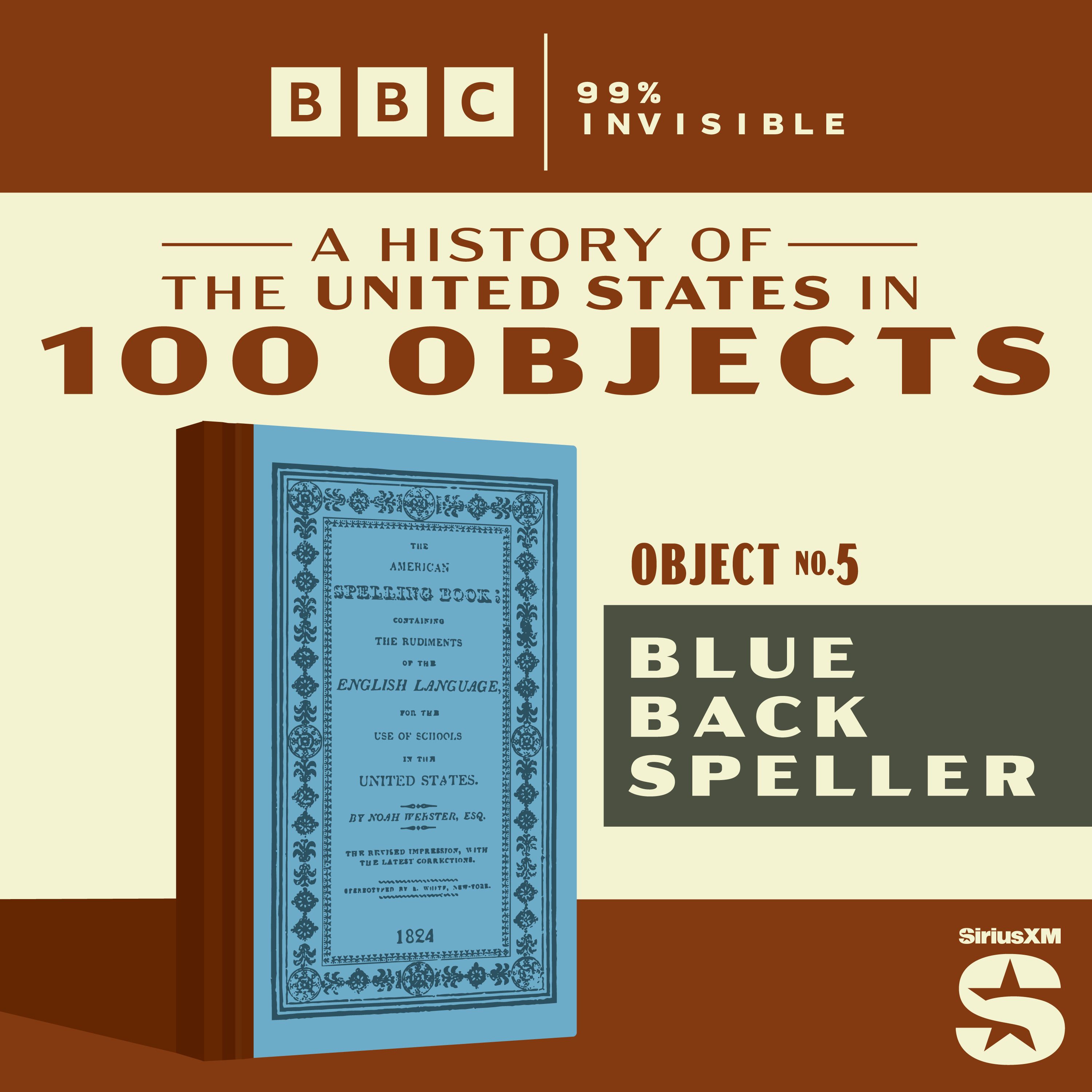

Noah Webster’s "Blue Back Speller," originally designed to standardize American English, became a fundamental instrument for African American liberation and intellectual development. Despite Webster’s exclusion of Black people from his vision of American democracy, enslaved individuals—including Frederick Douglass—secretly used the pocket-sized book to achieve literacy at great personal risk. This shared foundational experience shaped the opposing educational philosophies of Booker T. Washington and W.E.B. Du Bois; Washington championed industrial education and economic self-sufficiency, while Du Bois advocated for classical training to cultivate Black leadership. Their rivalry highlights the enduring tension between pragmatic accommodation and the demand for full civil rights. Ultimately, the Speller serves as a powerful example of how marginalized communities repurpose tools of the dominant culture to challenge systemic exclusion and redefine the American project.
Sign in to continue reading, translating and more.
Open full episode in Podwise