

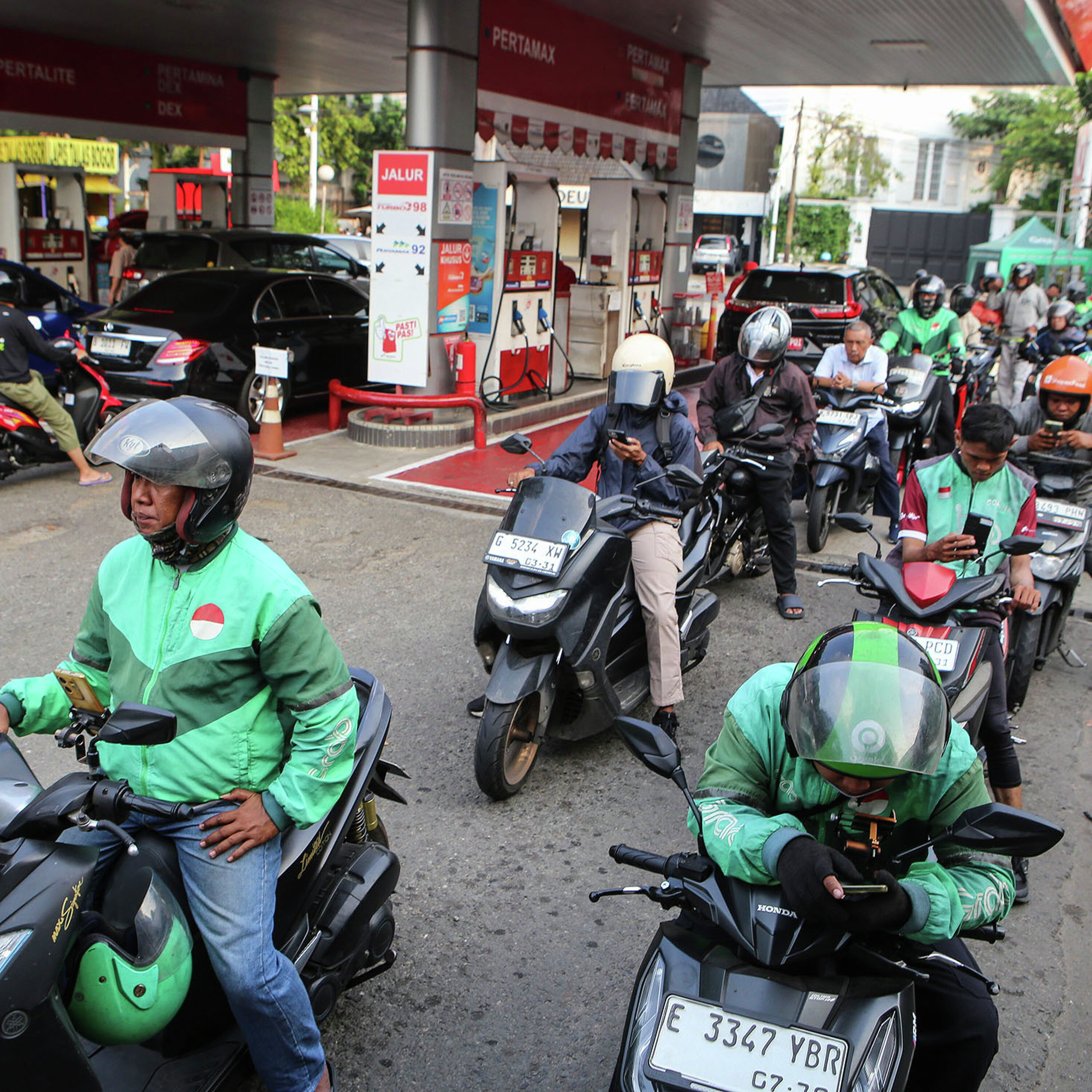

The closure of the Strait of Hormuz following the U.S.-Iran conflict has imposed a significant "war tax" on the global economy, with emerging Asian nations bearing the brunt of the instability. While wealthy countries utilize strategic petroleum reserves to mitigate price shocks, many Asian economies face severe energy shortages and are forced into demand destruction, such as curbing travel and industrial activity. This energy crisis threatens future food security, as rising fuel costs for agricultural machinery disrupt planting seasons across Southeast Asia. Beyond immediate energy concerns, the region’s role as the backbone of the global AI supply chain remains vulnerable to persistent logistical bottlenecks and inflationary pressures. These disruptions are accelerating a structural shift toward national resource independence, as countries prioritize stockpiling and supply chain resilience over traditional economic efficiency in an increasingly fragmented global market.
Sign in to continue reading, translating and more.
Open full episode in Podwise