

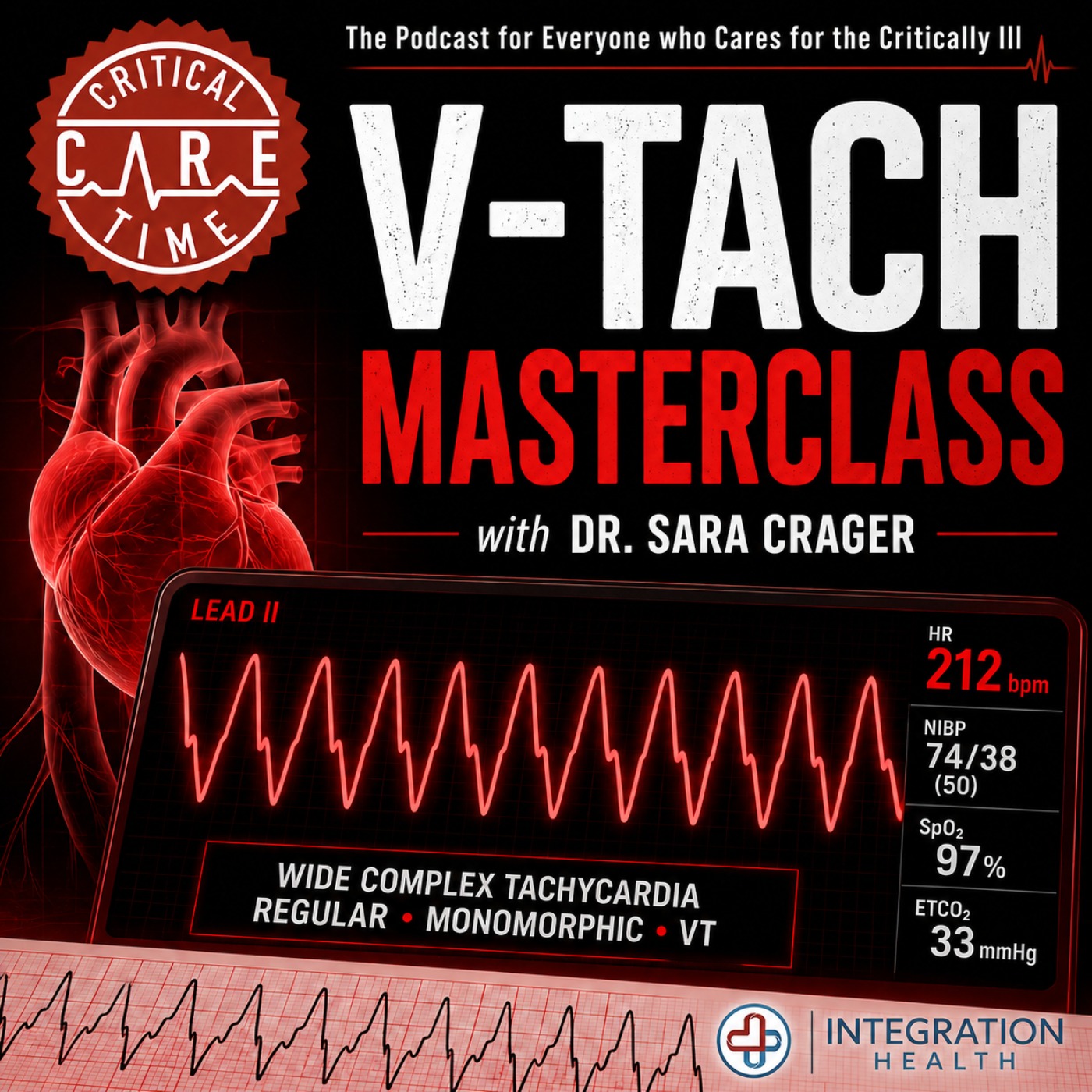

Ventricular tachycardia (VT) management in critical care requires distinguishing between patients with structural heart disease and those where the heart is a secondary bystander. In structural cases, such as ischemic cardiomyopathy, re-entry circuits around infarct scars often trigger malignant arrhythmias, necessitating immediate synchronized cardioversion and sedation to mitigate catecholamine surges. Conversely, polymorphic VT in non-structural cases often stems from external triggers like electrolyte imbalances, medication-induced QT prolongation, or hypoxia. Effective management involves aggressive electrolyte correction, sympatholysis through deep sedation or beta-blockade, and, in refractory cases, mechanical circulatory support like Impella or VA-ECMO to offload the left ventricle. Overdrive pacing serves as a vital tool to suppress ectopy and shorten the QT interval, particularly when bradycardia exacerbates the risk of R-on-T phenomena.
Sign in to continue reading, translating and more.
Open full episode in Podwise