

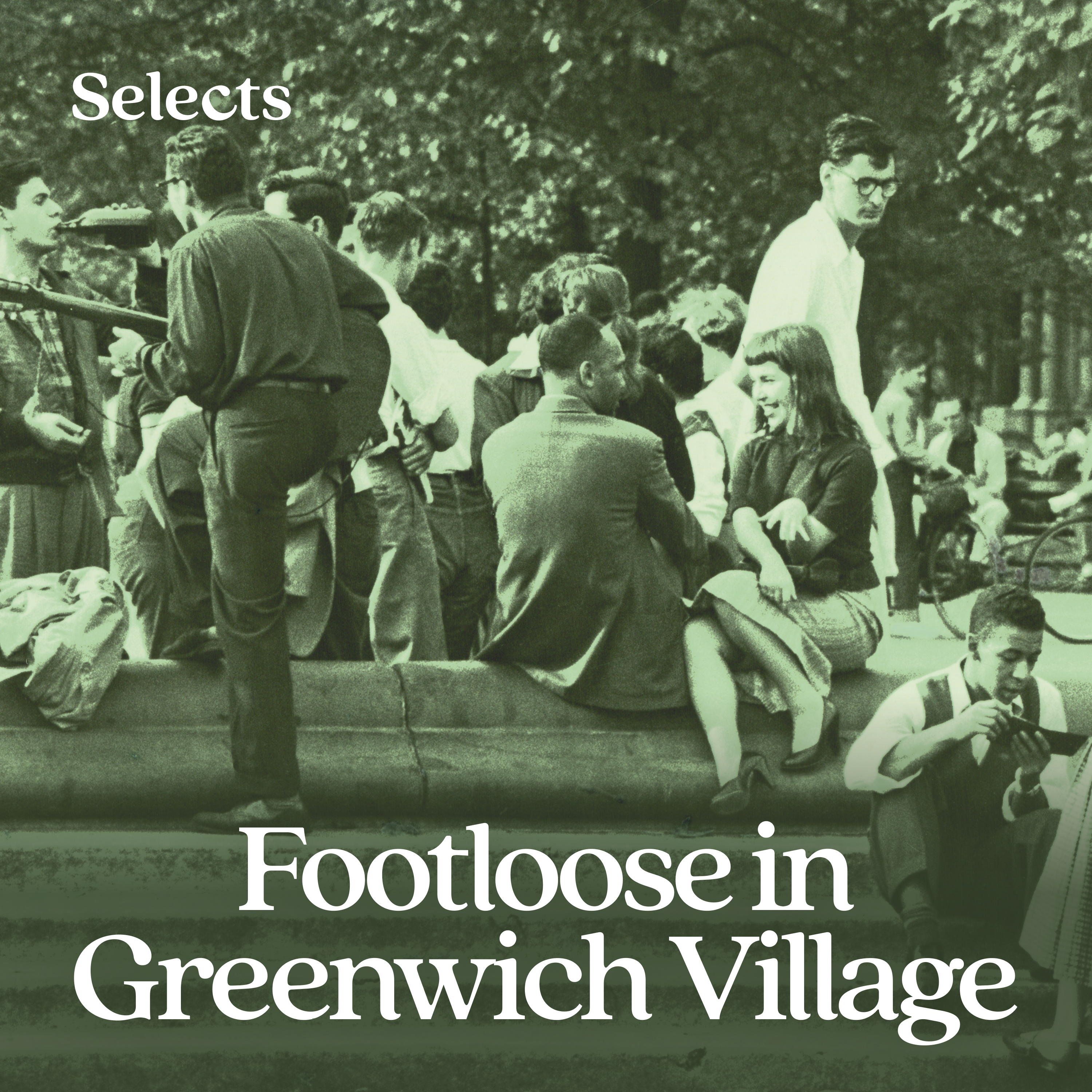

Greenwich Village in 1959 functioned as a vibrant bohemian sanctuary, serving as an intellectual crossroads for artists, poets, and those rejecting conventional middle-class standards. The neighborhood attracted the "Beat Generation," a group defined by their search for authentic, intense experiences and their resistance to the perceived "cultural lie" of material security. Local figures, including ministers and long-time residents, characterized the area as a hub for spiritual and artistic exploration, where community life thrived in coffee houses and Washington Square Park. This environment fostered a unique sense of brotherhood and freedom, allowing individuals to pursue creative dreams despite economic instability. The village remained a focal point for social experimentation, where the rejection of traditional institutions and the embrace of diverse, non-conformist lifestyles created a lasting legacy of countercultural expression.
Sign in to continue reading, translating and more.
Open full episode in Podwise