

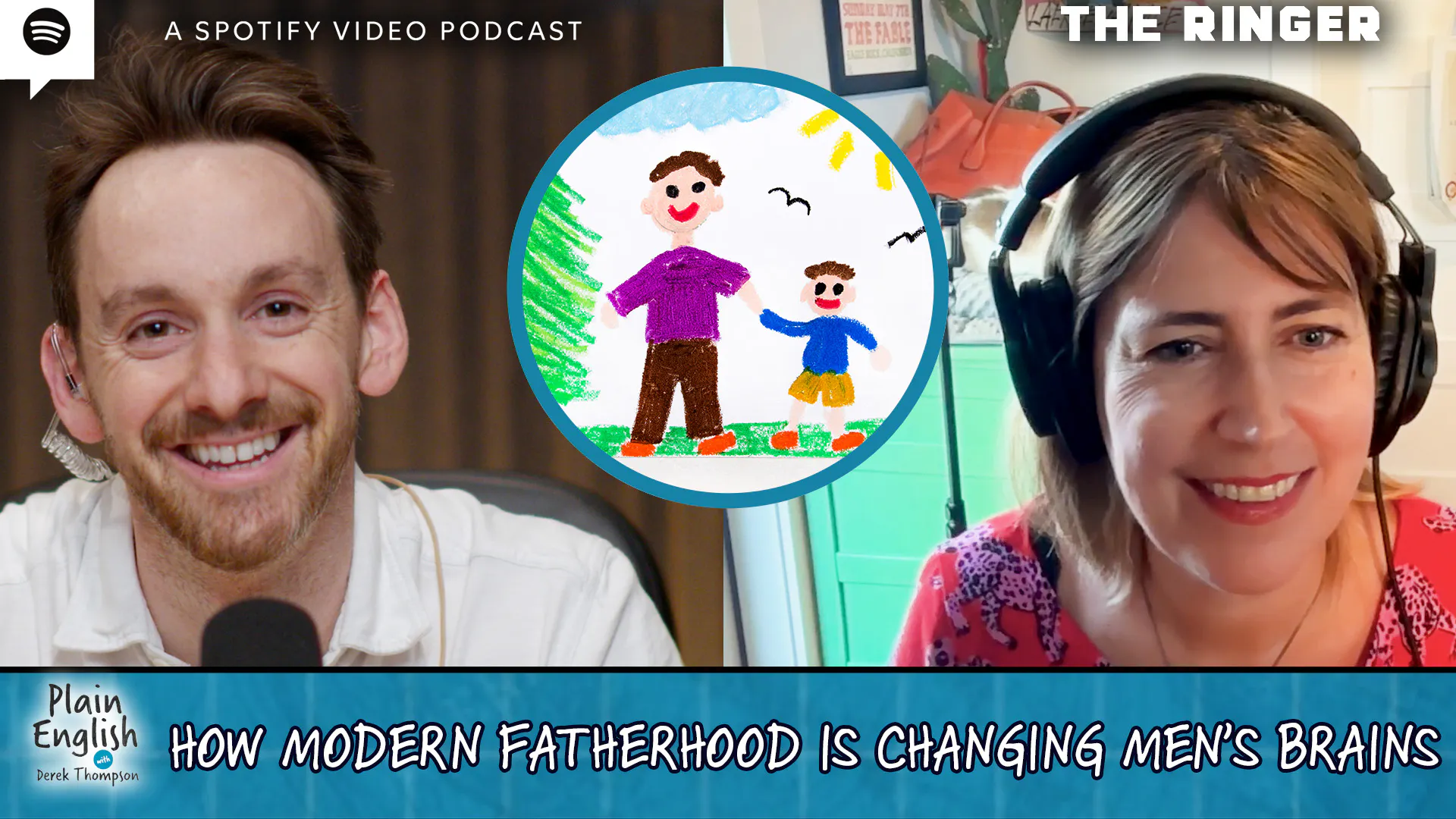

Fatherhood is a history of adaptation and variability rather than a fixed, traditional role. While biological imperatives create more uniform patterns in mothering, fathering styles shift significantly based on local economic and cultural contexts. In the United States, millennial fathers have nearly quadrupled their childcare time, yet the burden of "invisible labor" or mental load remains disproportionately skewed toward mothers. This intensive parenting culture, often fueled by status anxiety and a decline in community-based alloparenting, forces parents into high-pressure roles. Neurologically, while the early stages of parenthood present significant stress, long-term engagement in child-rearing acts as a protective factor, fostering social connection and dynamic brain function. Author and researcher Darby Saxbe highlights that fatherhood is not just a social construct but a transformative experience that reorients priorities and provides profound, long-term meaning beyond individual optimization.
Sign in to continue reading, translating and more.
Open full episode in Podwise