

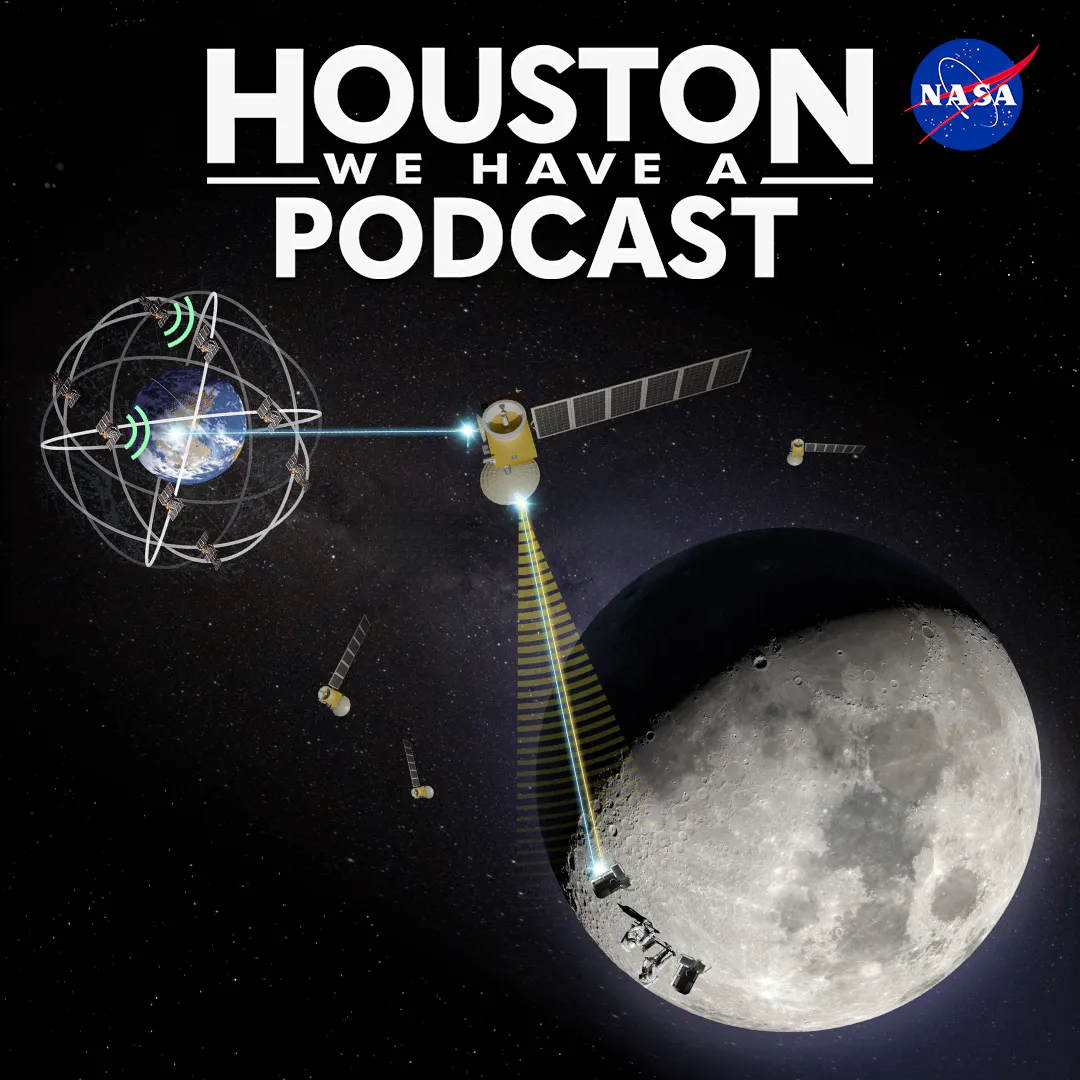

Deep space communication infrastructure is undergoing a critical evolution to support the increased data demands of the Artemis missions, including high-definition video and real-time operational telemetry. Greg Heckler, Deputy Program Manager for Capability Development at NASA’s Space Communications and Navigation (SCAN) program, details the transition from legacy radio frequency systems to advanced optical communications and commercial network architectures. By leveraging commercial investments in low-Earth orbit constellations and adopting standardized 3GPP technologies for lunar surface wireless networks, NASA is building a more resilient, high-capacity infrastructure. This transition addresses the limitations of traditional ground-based antennas, such as weather sensitivity and bandwidth constraints, while ensuring continuous connectivity for future lunar bases and interplanetary exploration. These advancements are essential for maintaining the vital link between ground controllers, scientific instruments, and the astronauts who rely on these networks for safety and mission success.
Sign in to continue reading, translating and more.
Open full episode in Podwise