

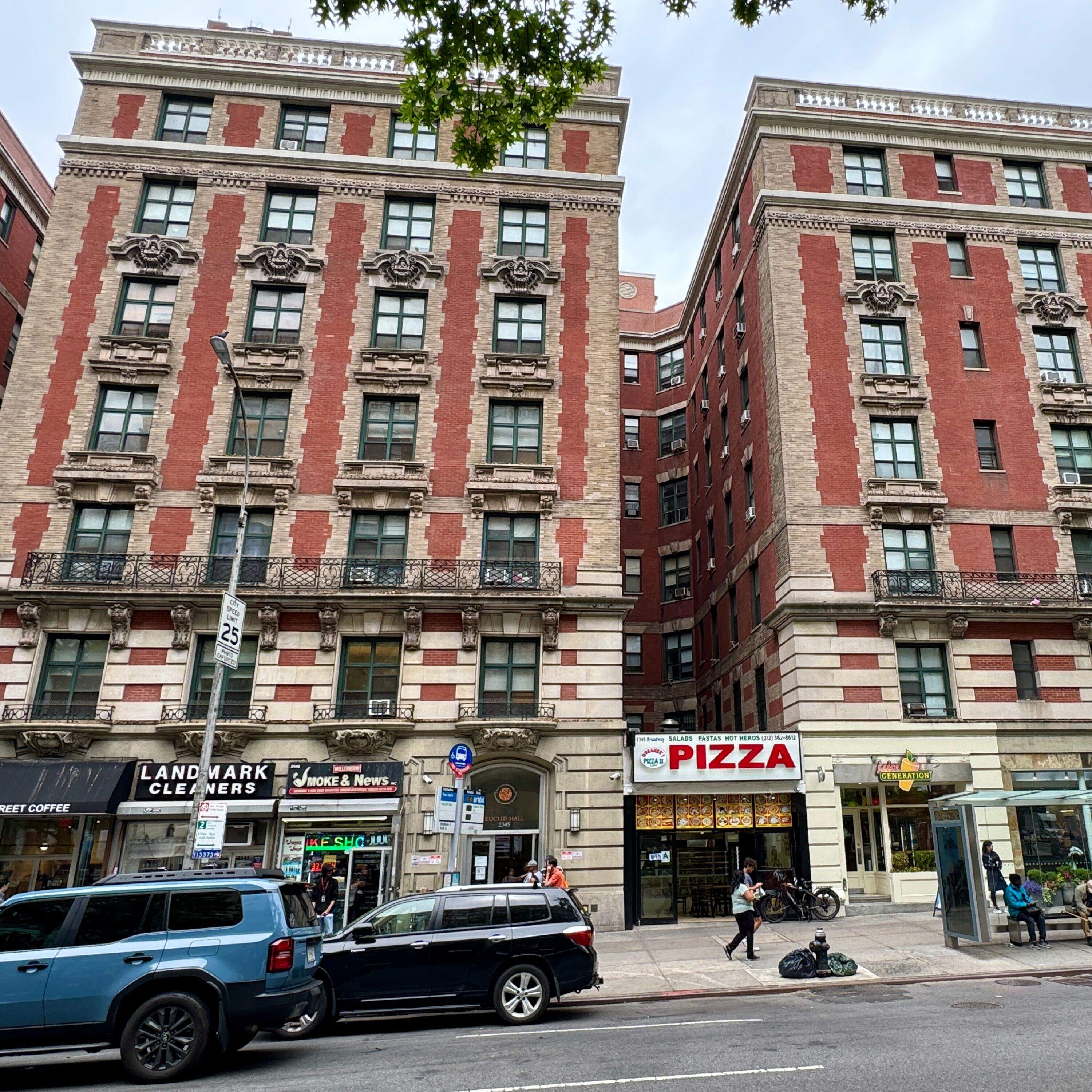

Single room occupancy (SRO) buildings, once a vital "bottom rung" of the housing ladder, offer a potential solution to modern homelessness. During the mid-20th century, these boardinghouses accounted for 10% of New York City's rental stock, providing extremely low-cost housing—sometimes as cheap as $100 per month in today's inflation-adjusted dollars. However, a wave of "urban renewal" policies, driven by a mix of safety concerns, classism, and racism, led to the destruction of over a million units in the 1970s, directly correlating with the rise of the modern homeless crisis. While critics like Paul Freitag of the West Side Federation for Senior and Supportive Housing note that dense SRO environments present challenges for aging populations and disease control, housing experts like Rebecca Baird-Remba argue that legalizing and scaling this model could significantly reduce street homelessness. Current legislative efforts in New York, Oregon, and Washington aim to reintroduce these shared housing models to provide stable, independent living for those priced out of traditional apartments.
Sign in to continue reading, translating and more.
Open full episode in Podwise