

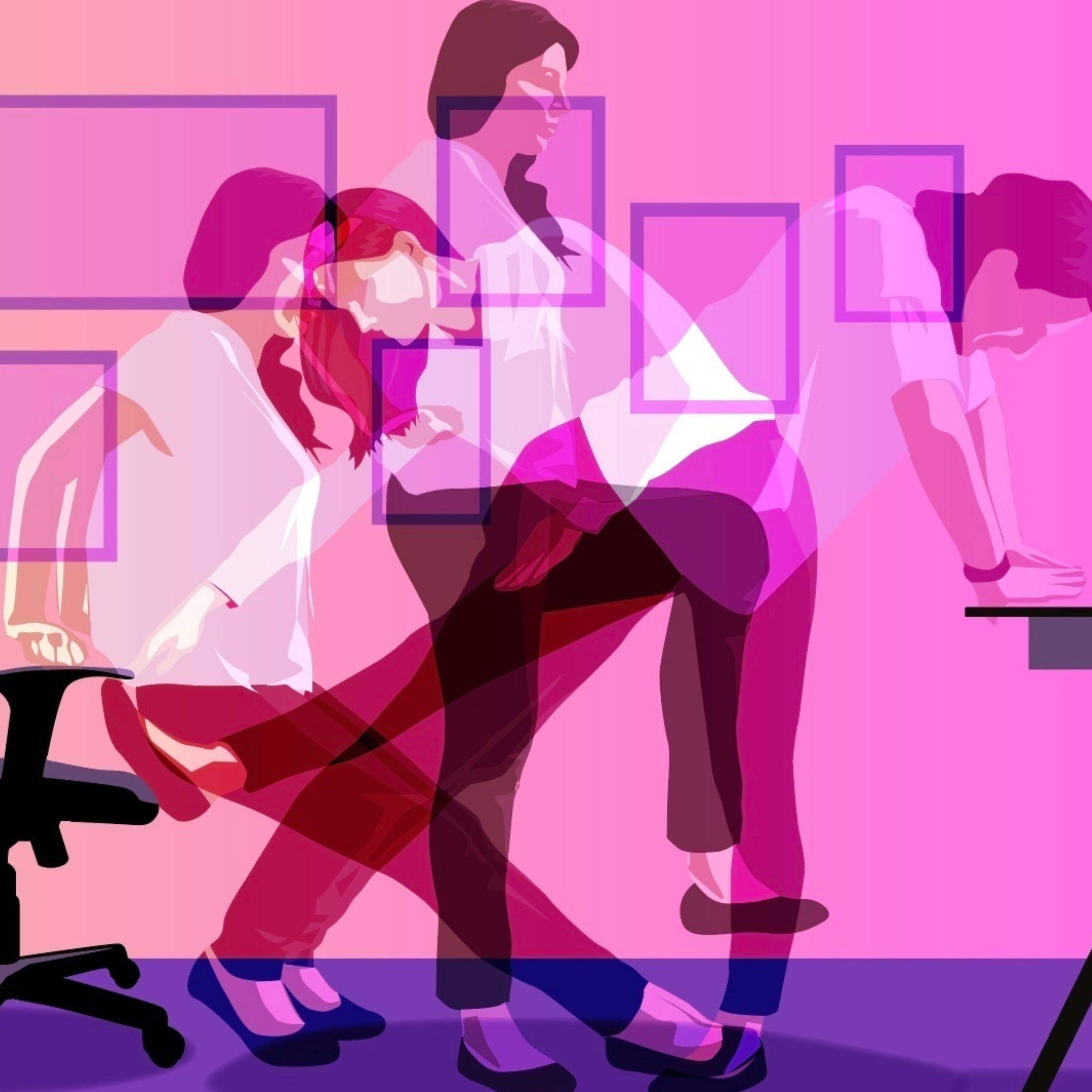

Prolonged sedentary screen time disrupts biological processes, leading to chronic health issues like diabetes and cardiovascular disease by limiting blood flow and glucose processing. Research from Columbia University Medical Center reveals that five minutes of light movement every 30 to 60 minutes effectively offsets these risks, significantly reducing fatigue while improving blood pressure and cognitive focus. Manoush Zomorodi, author of *Body Electric*, emphasizes that these "interstitial" movement breaks are more impactful than isolated daily exercise sessions. A large-scale study involving thousands of participants confirmed that such consistent, small-scale physical interventions boost productivity and energy levels. By integrating simple activities—such as walking, stretching, or dancing—into daily routines, individuals can reclaim their physical well-being and mitigate the hidden health costs inherent in a digital-first lifestyle.
Sign in to continue reading, translating and more.
Open full episode in Podwise