

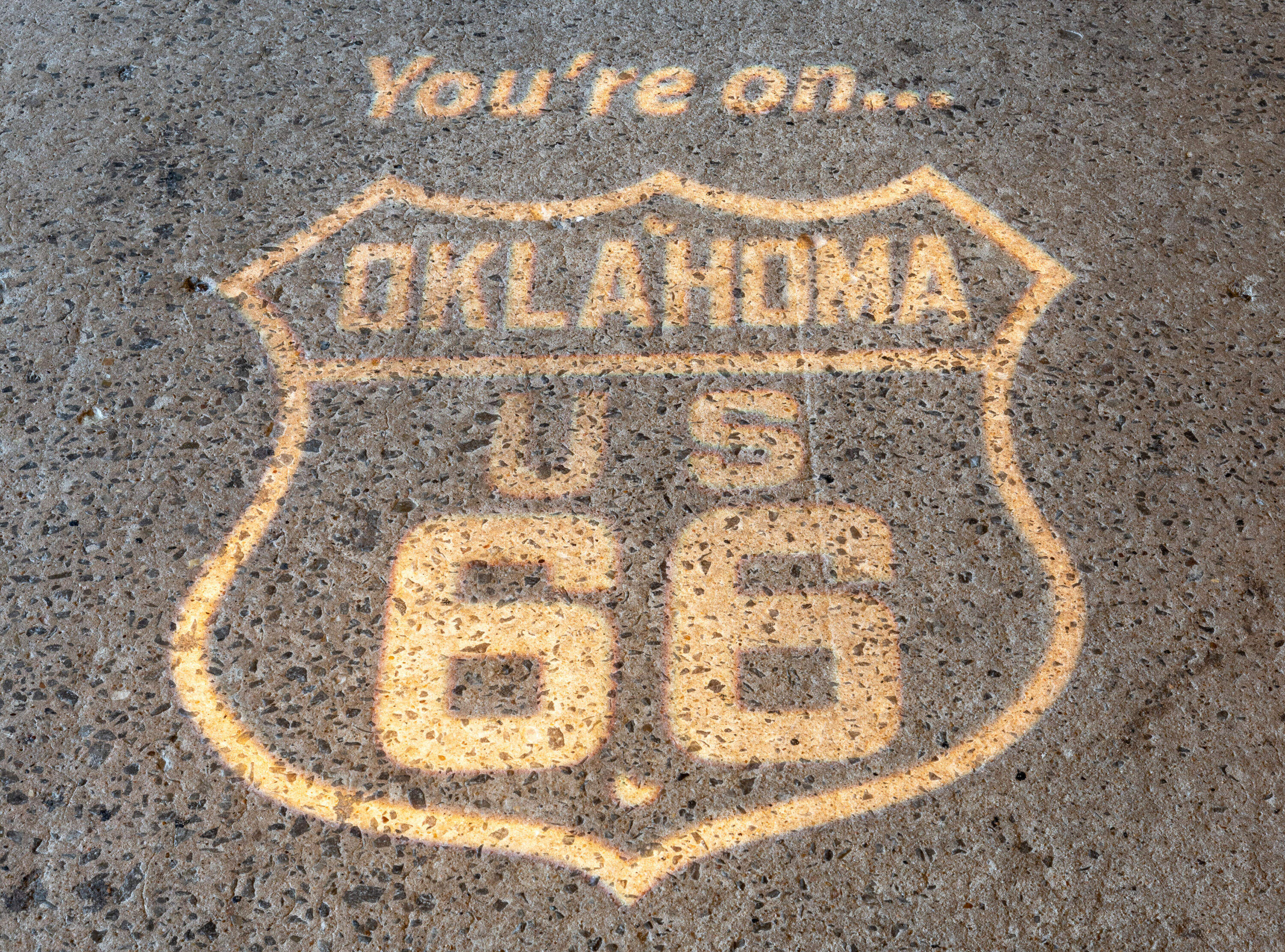

Route 66, known as the "Mother Road," serves as a vital symbol of American regional diversity and the evolution of 20th-century travel. While not the longest or most traveled highway, it achieved iconic status through aggressive advertising and its role in connecting hundreds of small towns between Chicago and Los Angeles. Cyrus Avery and other early 20th-century planners stitched together existing local routes to facilitate the movement of goods and people, creating a landscape defined by unique roadside architecture and small businesses. However, the road's legacy is complex; while it represented freedom for many, it posed significant dangers for Black, Latino, and Indigenous travelers during the Jim Crow era. Kathleen Franz, lead curator at the National Museum of American History, explains how marginalized motorists relied on resources like the Green Book to navigate hostile "sundown towns" and find safe, Black-owned establishments along the route.
Sign in to continue reading, translating and more.
Open full episode in Podwise