

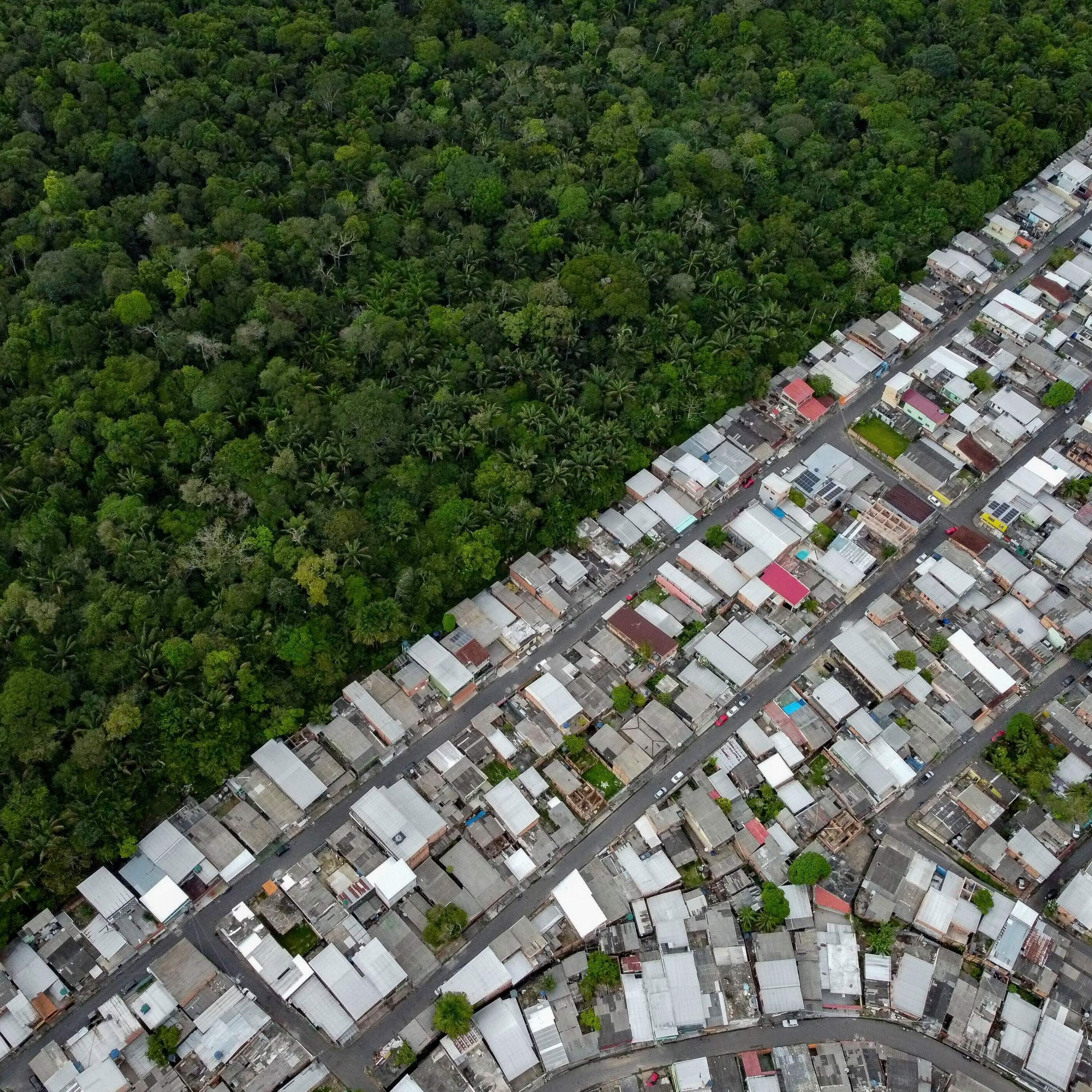

Developing countries often struggle to transition from middle-income to high-income status, a phenomenon known as the middle-income trap. While early industrialization—building factories and infrastructure—successfully lifts nations from poverty, it frequently fails to sustain long-term growth. Manaus, Brazil, illustrates this challenge; despite massive government tax incentives creating a manufacturing hub, the city remains dependent on subsidies and lacks global competitiveness. Economists like Homi Karas and Mayara Felix suggest that the traditional blueprint of moving from agriculture to manufacturing is no longer sufficient in a globalized economy dominated by intense competition. Instead of relying on outdated industrial models, countries must pivot toward innovation and unique local advantages, such as Brazil’s advancements in sustainable agriculture and niche biotechnology, to break through the middle-income barrier and achieve lasting economic prosperity.
Sign in to continue reading, translating and more.
Open full episode in Podwise