

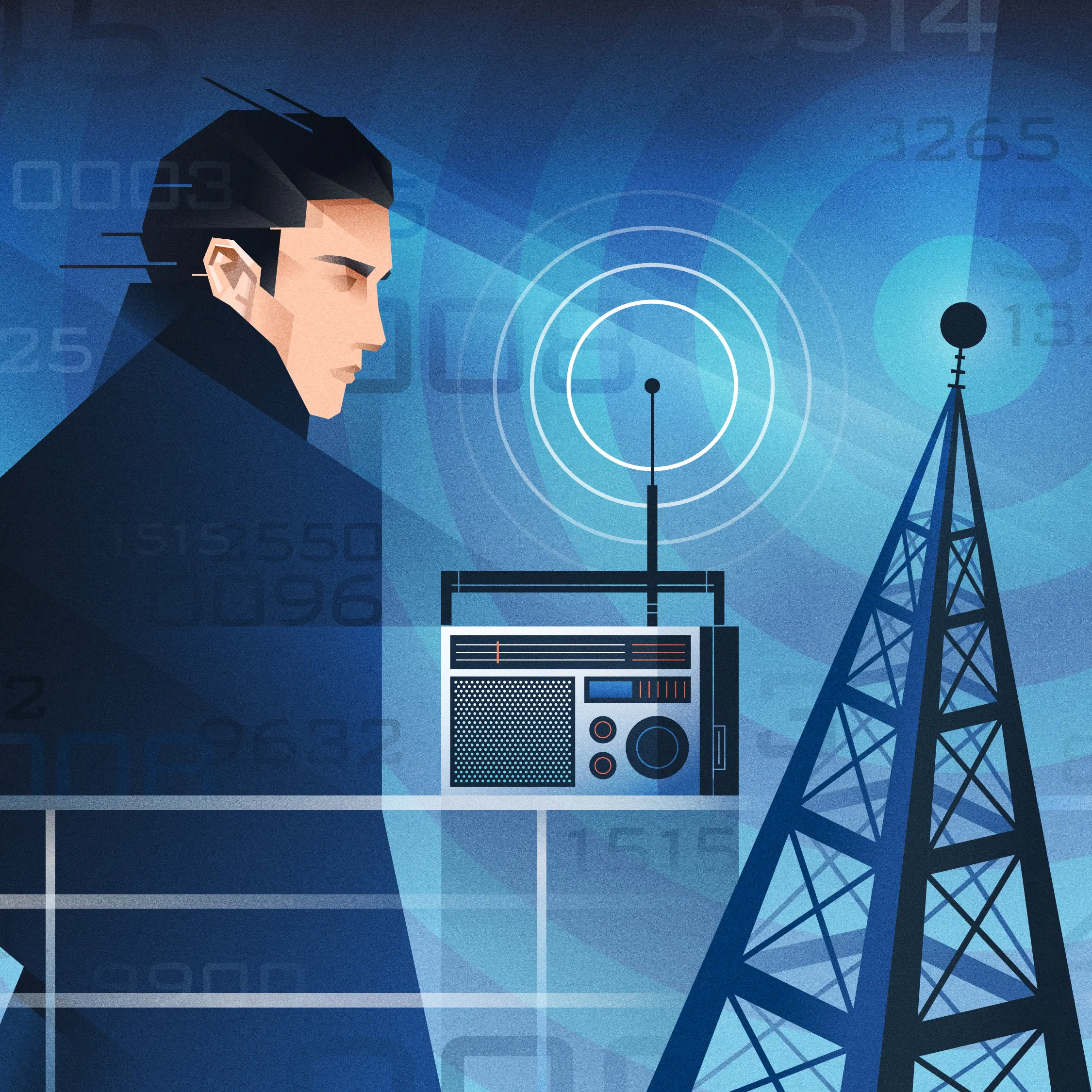

Number stations function as clandestine shortwave radio broadcasts, transmitting encrypted messages to intelligence operatives globally. These signals leverage the ionosphere to travel across continents, providing a secure, low-tech communication method that remains impenetrable without the correct one-time pad decryption key. While popular culture often associates these broadcasts with espionage, stations like the Russian "Buzzer" (UVB-76) continue to operate, fueling theories about their role in military command and control systems. Researchers and online communities have utilized satellite imagery and frequency monitoring to track these sites, revealing a persistent network of Cold War-era infrastructure. Despite the ubiquity of modern digital surveillance, these archaic radio transmissions persist as a foolproof, difficult-to-trace method for state-sponsored communication, highlighting the enduring tension between democratic transparency and the secretive nature of national security operations.
Sign in to continue reading, translating and more.
Open full episode in Podwise