

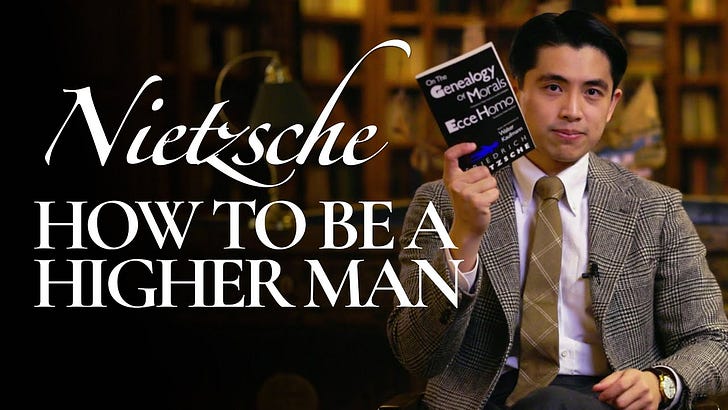

Nietzsche’s concept of the Übermensch represents a future human evolution, best understood not through political or secular lenses, but as a mystical, esoteric phenomenon. Jeff Kripal, a scholar of mysticism, argues that great thinkers and writers are essentially conduits for altered states of consciousness, encoding these experiences into their works to transmit them across time. This perspective shifts the focus from materialist interpretations to a "filter thesis" of consciousness, where the brain mediates rather than generates awareness. By examining the lives of figures like Nietzsche and the history of paranormal phenomena, Kripal advocates for a "superhumanities" that acknowledges the role of non-ordinary inspiration in cultural production. This approach treats texts as active transmitters of mystical states, suggesting that the evolution of human potential relies on recognizing the deeper, cosmic dimensions of creativity and temporality.
Sign in to continue reading, translating and more.
Open full episode in Podwise