

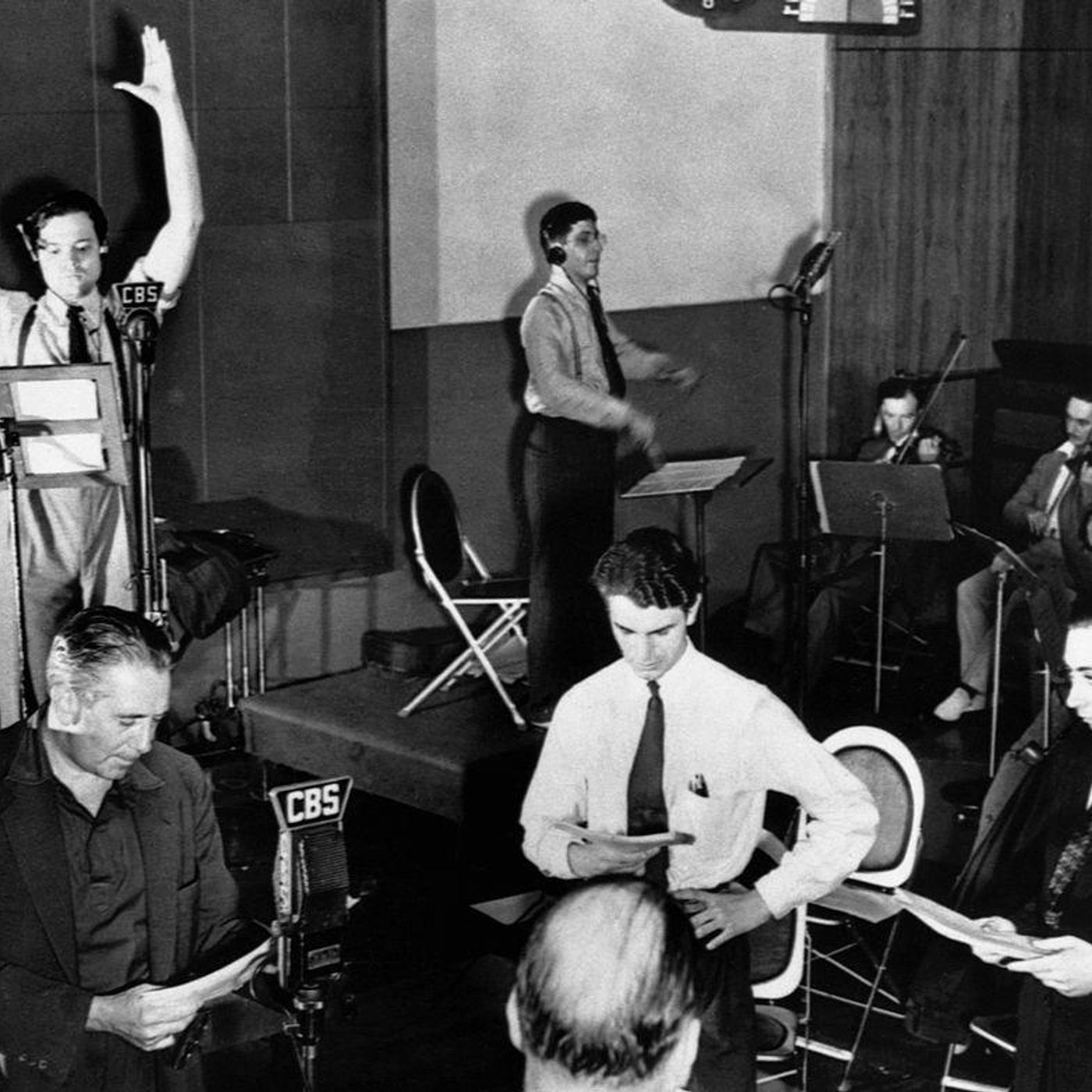

The 1938 *War of the Worlds* radio broadcast serves as a foundational case study for understanding mass hysteria and the power of immersive storytelling. By adopting the format of urgent, authoritative news bulletins, Orson Welles effectively blurred the lines between fiction and reality, triggering widespread panic. This phenomenon repeated in subsequent decades with similar hoaxes in Quito and Buffalo, proving that audiences remain highly susceptible to narratives that mimic real-time reporting. Psychological research suggests that humans are inherently drawn into compelling stories, often suspending critical judgment when presented with high-stakes scenarios. While Welles later claimed the broadcast was a warning against blindly trusting media, the enduring success of this "news-as-entertainment" formula reveals a persistent vulnerability in how audiences consume information, as modern media continues to leverage fear-based storytelling to capture and maintain listener attention.
Sign in to continue reading, translating and more.
Open full episode in Podwise