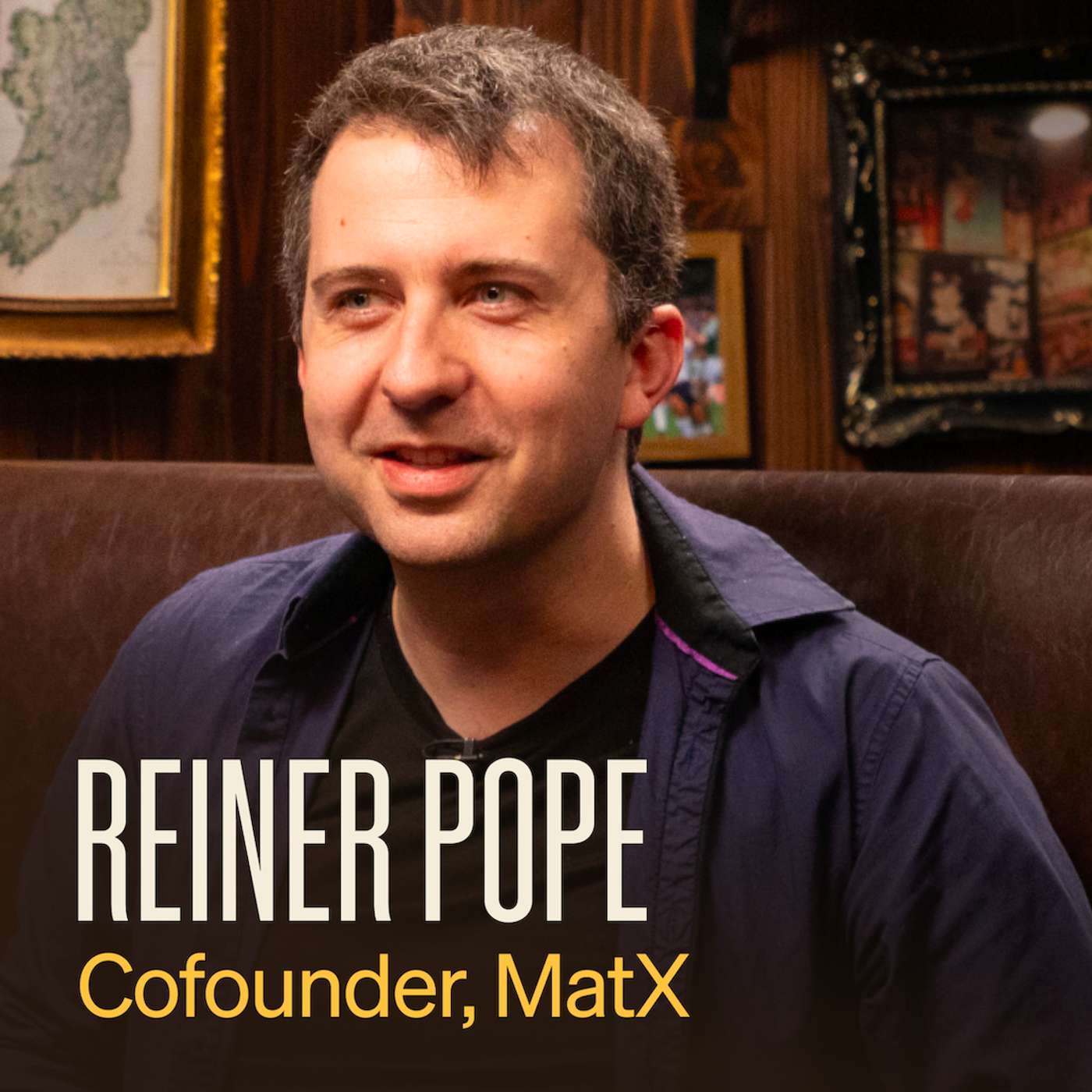
The discussion centers on the architecture of AI chips, particularly for large language models, and the trade-offs between latency and throughput. Reiner Pope, co-founder and CEO of MatX, details the company's approach to chip design, combining HBM and SRAM memory for optimal performance. He addresses the challenges of parallelization, the importance of mechanical sympathy in hardware design, and the shift towards lower precision arithmetic. Pope also touches on the competitive landscape, supply chain constraints (HBM, wafers, racks), and TSMC's role in chip manufacturing. He predicts advancements in AI model architecture, emphasizing the need for faster and cheaper models, and envisions AI's increasing role in chip design itself, aiming for tape-outs in under a month.
Outlines
Part 1: Background, Google, and the Evolution of TPUs
Part 2: MatX Origins, Funding, and Market Strategy
Part 3: Chip Architecture and Design Process
Part 4: Ecosystem, Manufacturing, and Vertical Integration
Part 5: AI-Driven Design and Future Predictions
Part 6: Engineering Culture and Technical Optimization
Sign in to continue reading, translating and more.