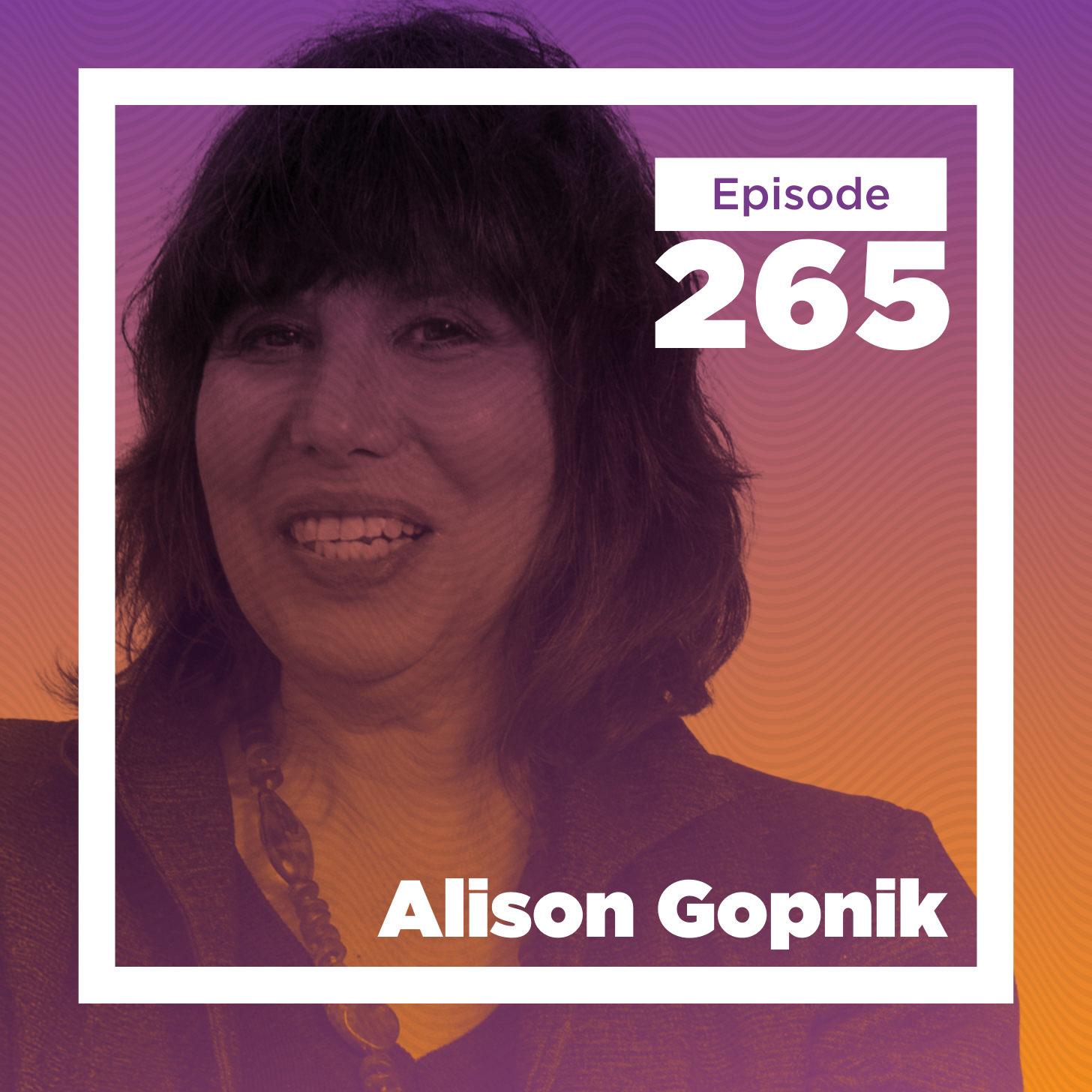
Alison Gopnik, a professor of psychology and philosophy, explores how children learn and how it relates to scientific learning. She argues that children, like scientists, systematically figure out the structure of the world from data, often being more Bayesian than scientists due to fewer prior assumptions. Gopnik introduces the idea of "simulated annealing," where children employ a "high-temperature search," bouncing around ideas, while scientists balance this with a "low-temperature search" to refine existing knowledge. The discussion touches on Carl Friston's "minimized surprise" theory, the role of experimentation, and the complexities of nature versus nurture in child development. Gopnik also shares her views on generative AI, consciousness, autism, ADHD, and schooling.
Outlines
Part 1: Introduction, Learning Models
Part 2: Cognitive Research, Consciousness
Part 3: Nature, Nurture, Intelligence
Part 4: AI, Technology, Progress
Part 5: Neurodiversity, Caregiving, Future
Sign in to continue reading, translating and more.