

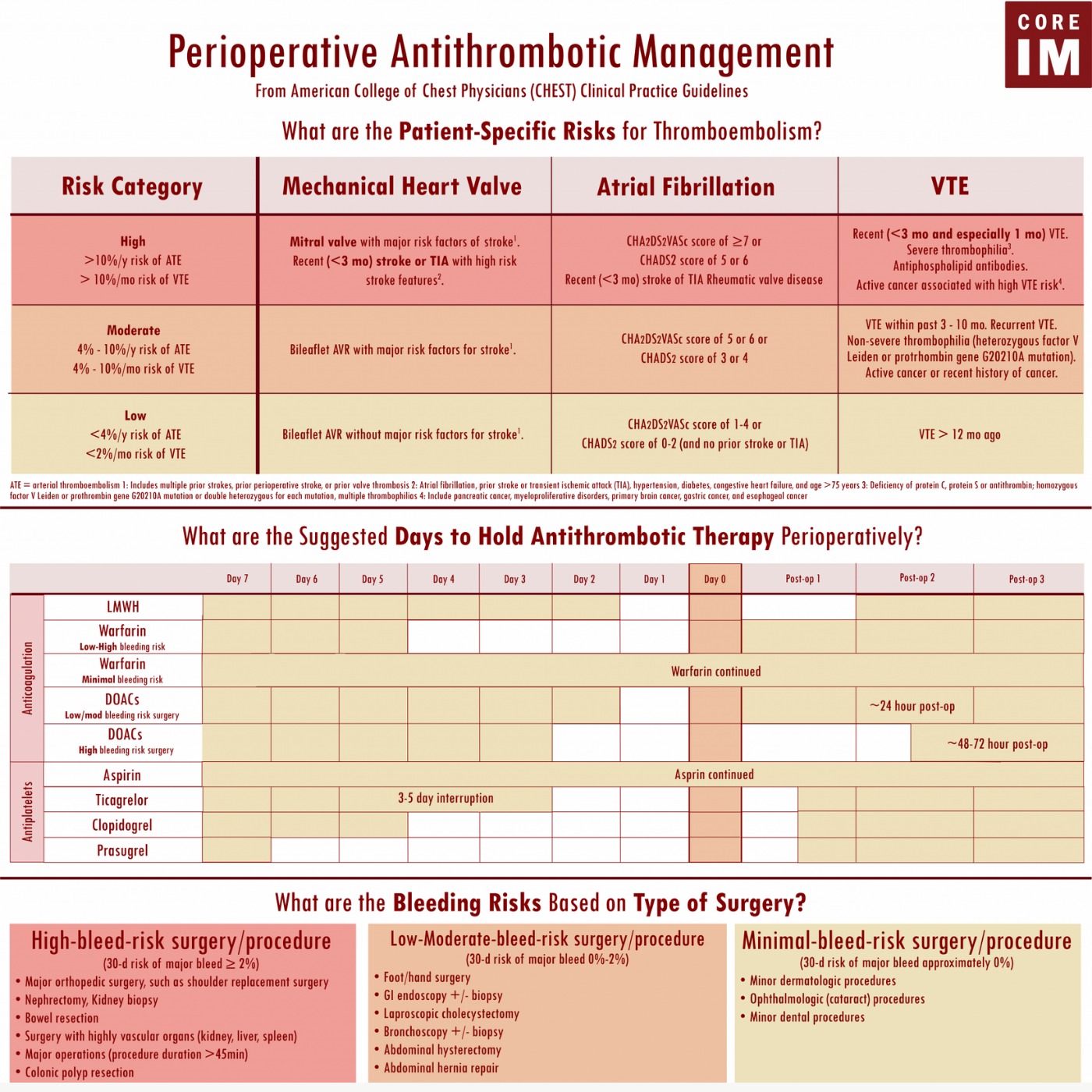

Managing new-onset atrial fibrillation (AFib) in hospitalized patients requires navigating significant clinical uncertainty, particularly regarding stroke risk and the timing of anticoagulation. While diagnostic criteria mandate at least 30 seconds of AFib on telemetry, the duration of the longest episode serves as a critical predictor of stroke risk, with longer episodes correlating with higher incidence. Evidence suggests that AFib occurring during sepsis or non-cardiac surgery carries a stroke risk profile similar to community-acquired AFib, warranting consideration for anticoagulation based on individual CHA2DS2-VASc scores and bleeding risks. Surgeons and clinicians must collaborate to determine the optimal window for resuming anticoagulation, typically balancing the procedure's inherent bleeding risk against the patient's thrombotic potential. Effective management also hinges on clear communication, where clinicians must gauge patient understanding and address the asymmetric risks of stroke versus potential medication-related bleeding.
Sign in to continue reading, translating and more.
Open full episode in Podwise