

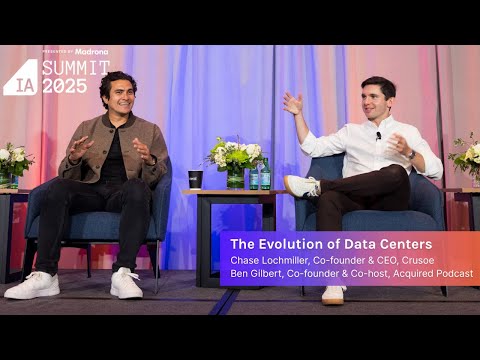

The transition from traditional web data centers to specialized "AI factories" necessitates a fundamental rethinking of computing infrastructure. Chase Lochmiller, CEO of Crusoe, highlights the development of massive, high-density clusters like the 1.2-gigawatt site in Abilene, Texas, which leverages abundant, otherwise curtailed wind energy. To meet the aggressive scaling demands of modern AI, Crusoe employs modular manufacturing, producing critical electrical components off-site to bypass industry-wide supply chain delays. Unlike legacy cloud centers that prioritize extreme reliability, these AI-focused facilities optimize for power density and energy access, reflecting a shift in how physical resources are allocated to support training and inference workloads. This evolution underscores the intense physical reality of AI, requiring significant labor, construction, and energy, while abstracting that complexity for end-users through managed cloud services.
Sign in to continue reading, translating and more.
Open full episode in Podwise