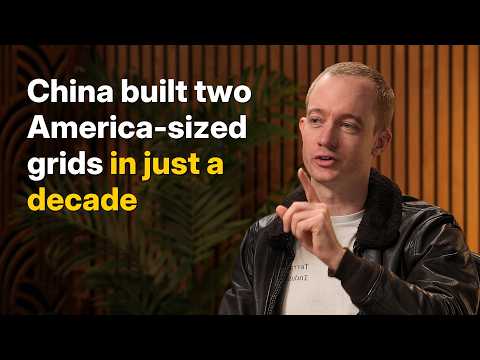
Dwarkesh Patel interviews Casey Handmer about the industrial race between the US and China, particularly in the context of AI development and energy production. They discuss China's manufacturing capabilities versus the US's capital allocation and business environment, the importance of solar energy and synthetic fuels, and the potential for the US to compete in solar manufacturing. The conversation explores the role of energy as a key input in the AI race, the feasibility of the US increasing its solar power capacity, and the factors influencing data centers' decisions to use natural gas versus solar power. Handmer envisions a future where solar energy dominates, with data centers becoming self-sufficient through off-grid solar farms and batteries, and encourages listeners to consider employment opportunities at his company, Terraform Industries.
Outlines
Part 1: US Competitiveness in the AI Industrial Race
Part 2: US Solar Manufacturing and Energy Choices
Part 3: Historical Context and Power Delivery
Part 4: Solar Adoption and Economic Value of AI
Part 5: Land Requirements and Solar Potential
Part 6: CAPEX, OPEX, and Regulatory Challenges
Part 7: Batteries, Grid, and the Future of Energy
Part 8: AI's Impact on GDP and Hardware Efficiency
Part 9: The Energy Singularity and Silicon Thought
Sign in to continue reading, translating and more.