

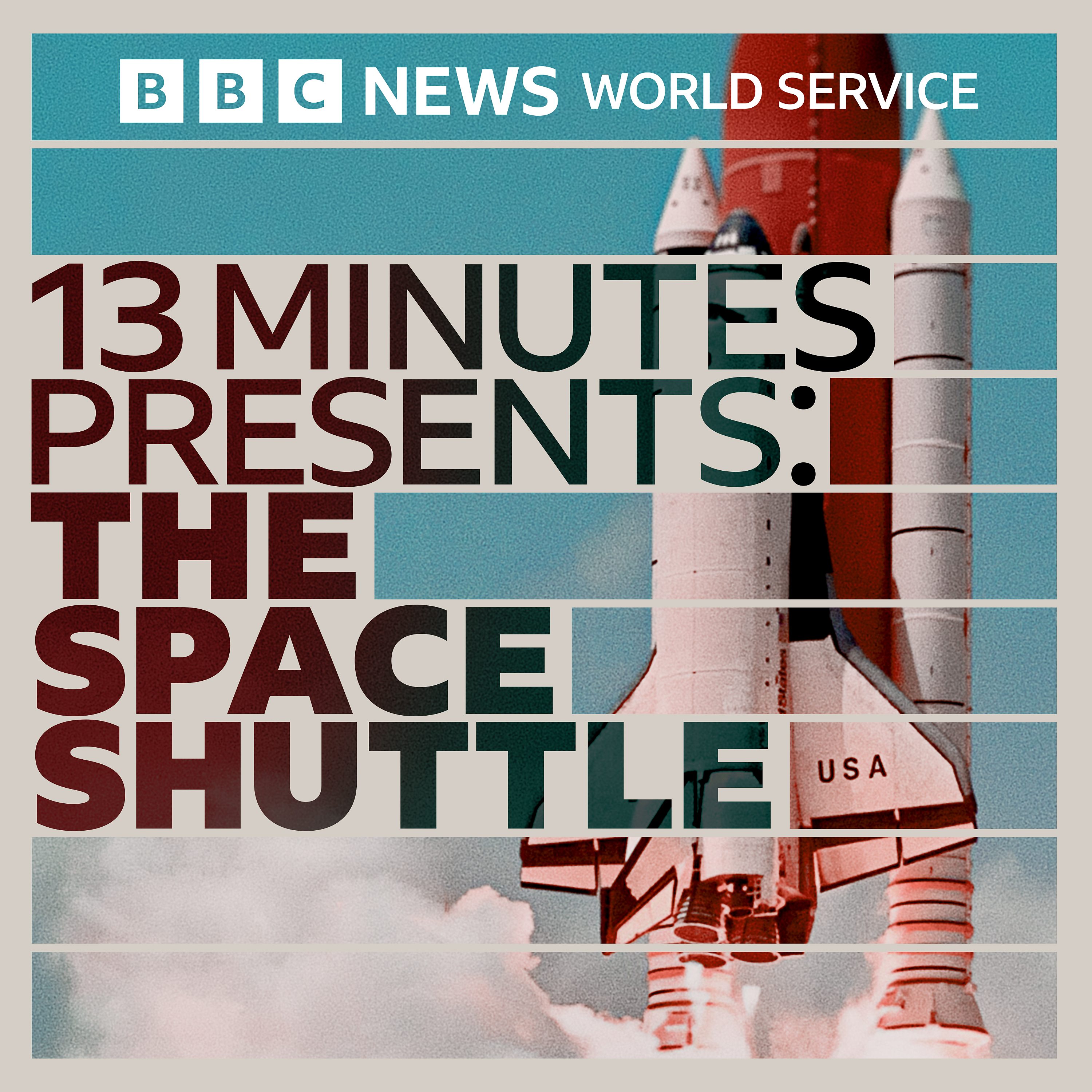

The Space Shuttle program represents a radical shift from the disposable hardware of the Apollo era to a reusable, multi-purpose space plane. Conceived by engineer Max Faget, the project initially operated in secrecy, aiming to make space travel routine and cost-effective. The design evolved from a simple balsa wood model into a complex system featuring an orbiter, external fuel tank, and solid rocket boosters. Critical milestones included the Enterprise prototype’s successful atmospheric landing tests, which validated the orbiter’s flight characteristics, and the selection of veteran astronaut John Young and rookie Bob Crippen for the maiden crewed mission, STS-1. This endeavor pushed the boundaries of aerospace engineering, requiring millions of components to function perfectly during the first-ever crewed test flight in history, fundamentally transforming human access to low Earth orbit.
Sign in to continue reading, translating and more.
Open full episode in Podwise