

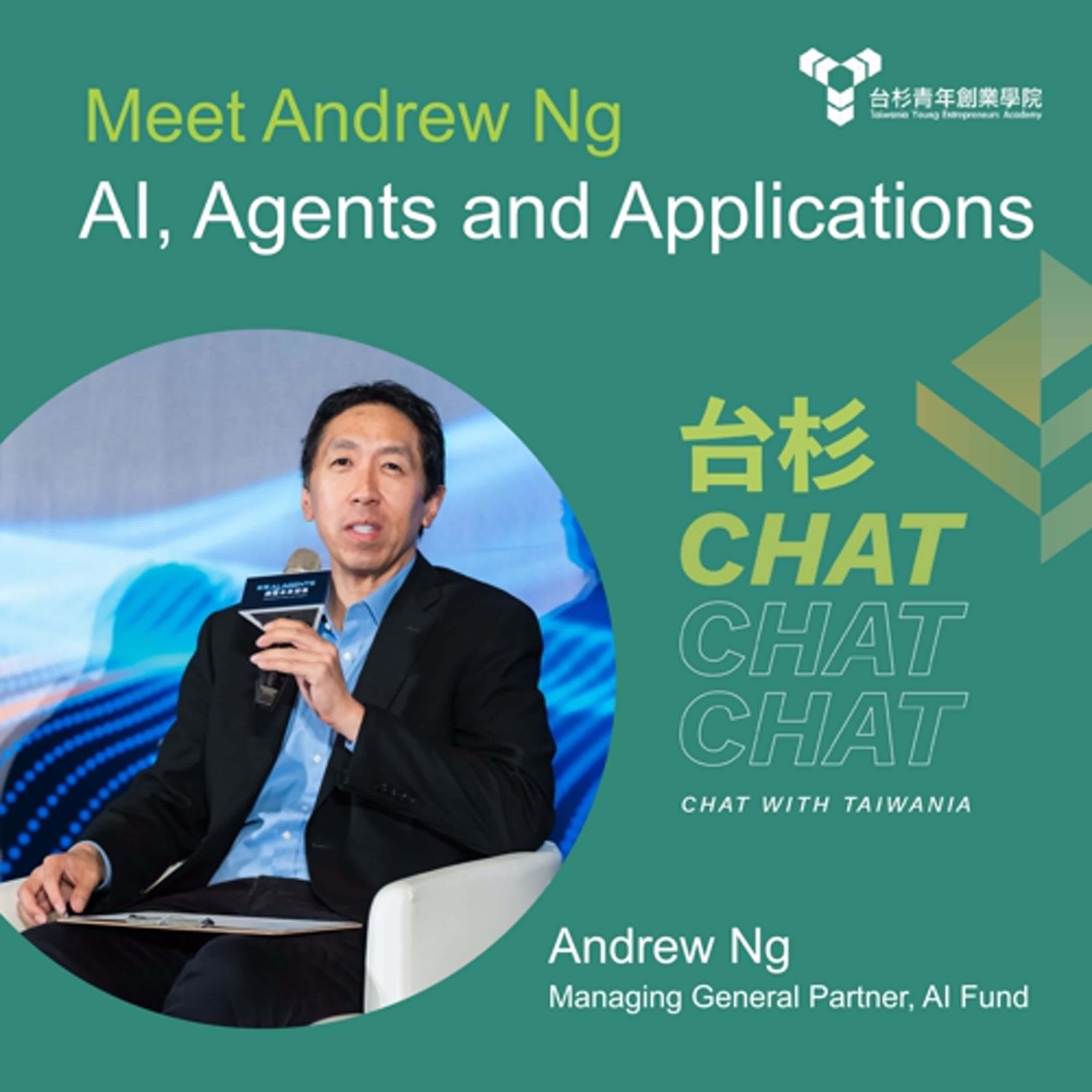

AI agents represent the most critical technological shift in the current landscape, moving beyond simple prompt-response interactions toward iterative, agentic workflows. By incorporating reflection, planning, and multi-agent collaboration, these systems significantly improve task performance, often surpassing the gains achieved by model-to-model upgrades. Businesses should prioritize the application layer, leveraging rapid prototyping to test multiple ideas and drive growth rather than just cost savings. This shift necessitates a re-evaluation of corporate innovation processes and data engineering, particularly for unstructured data. Furthermore, effective AI governance must distinguish between general-purpose technology and specific applications, ensuring that safety regulations target end-use cases rather than stifling the underlying technology or open-source ecosystems. Dr. Andrew Ng emphasizes that these advancements, combined with domain-specific expertise, provide a clear path for companies to build sustainable, high-impact AI solutions.
Sign in to continue reading, translating and more.
Open full episode in Podwise