


Principles for Dealing with the Changing World Order by Ray Dalio
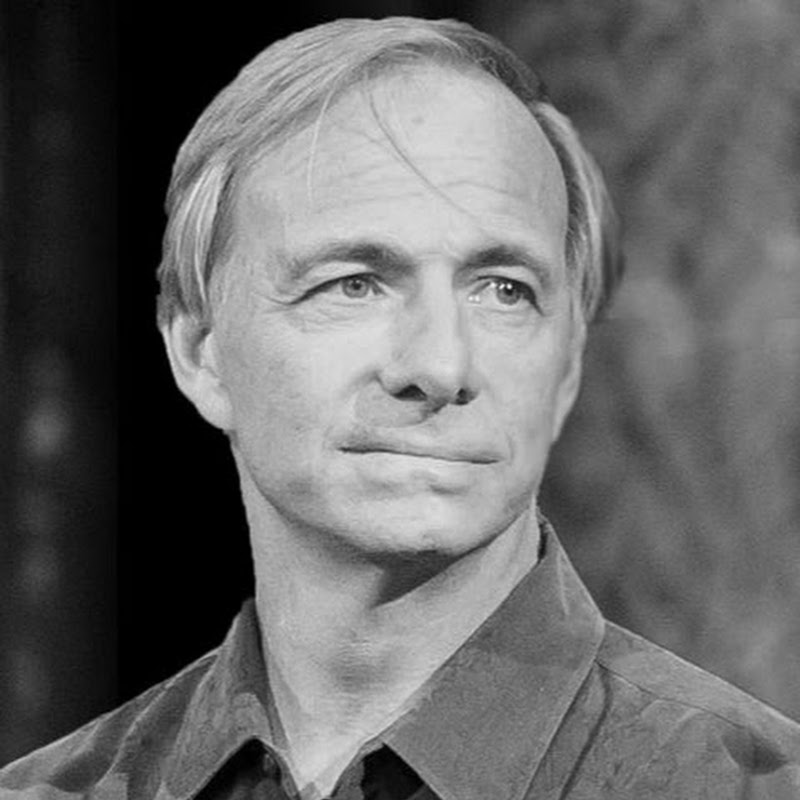
Principles by Ray Dalio
The rise and fall of empires follow a repetitive, predictable "Big Cycle" driven by historical cause-and-effect relationships involving debt, internal conflict, and external power shifts. Empires typically progress through stages of prosperity, debt-fueled bubbles, and widening wealth gaps, eventually leading to currency devaluation and political instability. The United States currently mirrors these late-stage patterns, evidenced by massive debt, intense internal polarization, and rising competition from China. Historical precedents, such as the Dutch and British empires, demonstrate that long-term dominance relies on fiscal discipline, strong education, and social cohesion. When an empire’s costs of maintaining power exceed its revenue, it often resorts to printing money, which devalues the currency and signals the transition to a new world order. Navigating these cycles requires recognizing these vital signs to make the difficult decisions necessary to sustain success.
Sign in to continue reading, translating and more.
Open full episode in Podwise