

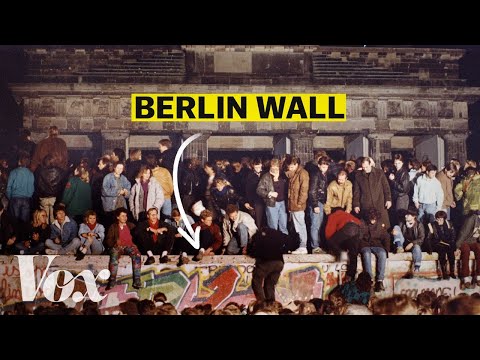

The fall of the Berlin Wall on November 9, 1989, resulted from a bureaucratic blunder during a routine press conference rather than a calculated political maneuver. Following decades of strict travel restrictions and a significant "brain drain" of 3.5 million citizens to the West, the East German government drafted temporary regulations to quell rising domestic protests and mass emigration through Hungary and Czechoslovakia. Government spokesman Günter Schabowski, having not reviewed the new rules beforehand, prematurely announced that private trips abroad could be made "immediately, without delay." This unintentional declaration triggered a massive chain reaction; news reports broadcasted that the borders were open, prompting tens of thousands of East Berliners to swarm checkpoints. Overwhelmed border guards, lacking clear instructions, eventually opened the gates, effectively ending the wall's 28-year history as a physical barrier. Catherine Bombach, a former East German news agency translator, highlights how this accidental announcement fundamentally transformed the political landscape and the lives of millions overnight.
Sign in to continue reading, translating and more.
Open full episode in Podwise