

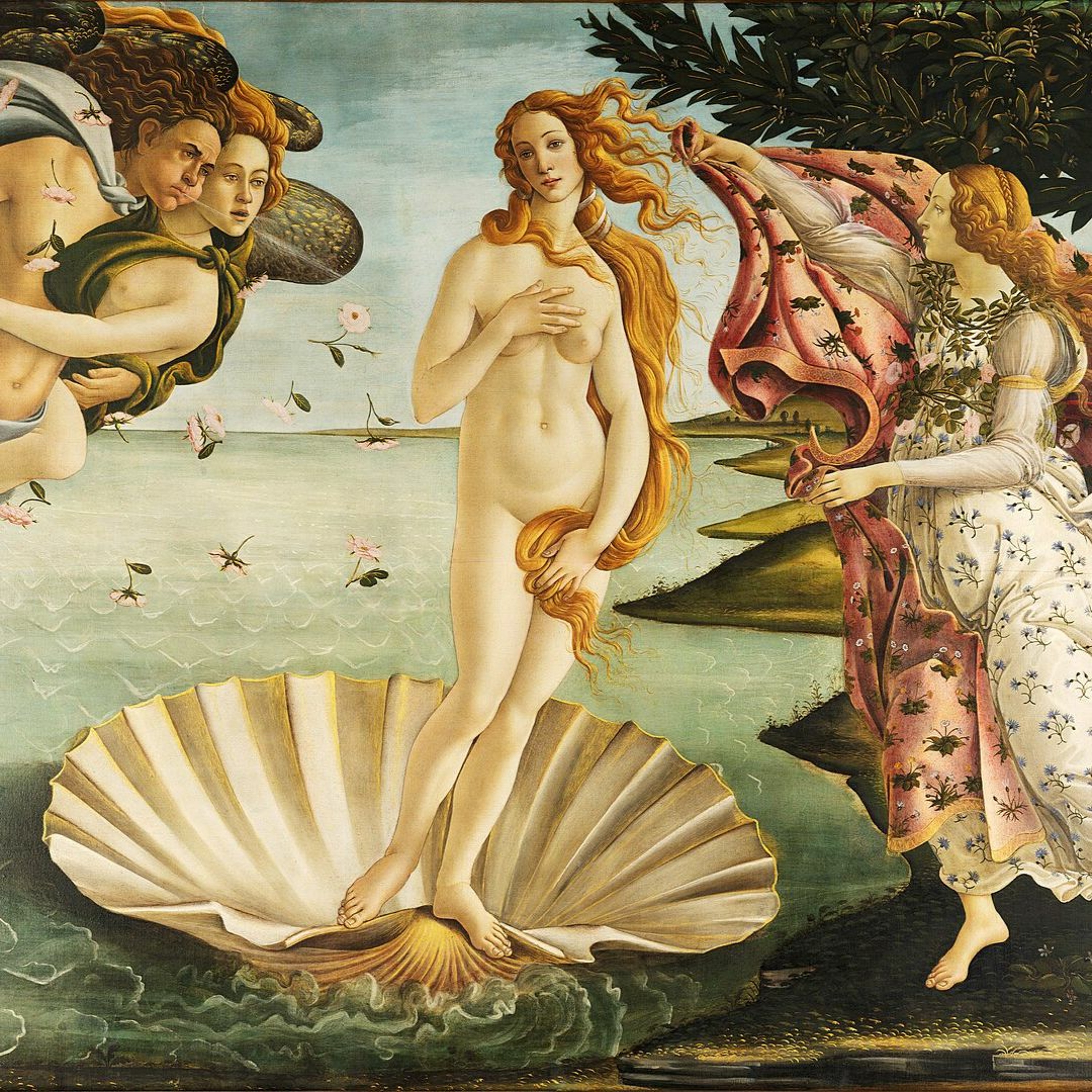

Sandro Botticelli’s *The Birth of Venus* functions as an ethereal portal to Neoplatonic ideals, where physical beauty serves as a catalyst for contemplating divine, abstract truths. While the painting famously ignores the rigorous anatomical and perspectival standards of the High Italian Renaissance, it succeeds as a poetic allegory, prioritizing emotional resonance over scientific accuracy. This "lightness and bodilessness" allows the work to exist as a flexible, iconic vessel, constantly reinterpreted through the ages—from its origins in the Medici circle to its modern status as a pop-culture staple. By examining the painting’s technical innovations, such as the use of tempera on canvas and gold highlights, alongside its role as a projection of human desire and identity, the work transcends its historical context to become a mirror for contemporary societal values and personal projections.
Sign in to continue reading, translating and more.
Open full episode in Podwise