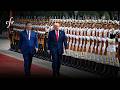

The recent U.S.-China summit prioritized symbolism over substantive policy breakthroughs, serving primarily to stabilize a fragile detente rather than resolve structural conflicts. This relationship remains heavily influenced by China's leverage over the rare earth minerals supply chain, which effectively ended last year's trade war. Economic and trade discussions yielded few concrete deliverables, as vague purchase commitments failed to address underlying risks like tariffs and export controls. Technology competition persists, particularly regarding AI chip exports, where China seeks to indigenize production while the U.S. evaluates the security implications of increased compute capacity. Taiwan remains a critical flashpoint; while the summit avoided major policy shifts, President Trump’s offhand remarks regarding potential direct communication with President Lai introduced new diplomatic uncertainty, potentially overshadowing the summit's limited progress.
Sign in to continue reading, translating and more.
Continue

