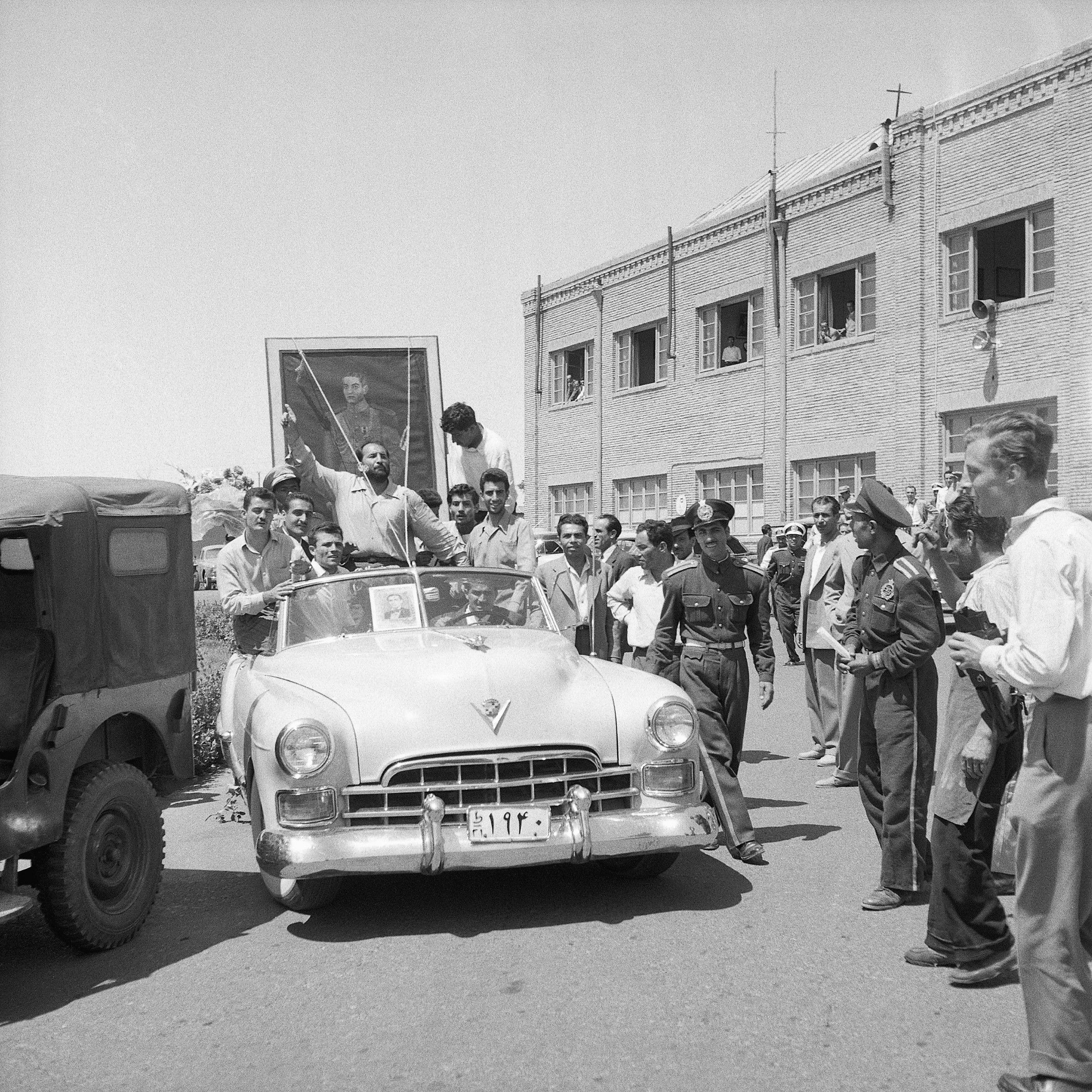

The 1953 CIA-led coup in Iran, known as Operation Ajax, fundamentally altered the trajectory of US-Iranian relations by establishing a legacy of American interference that continues to shape modern geopolitical tensions. Driven by British interests in maintaining a monopoly over Iranian oil, the operation successfully toppled the democratically elected Prime Minister Mohammad Mossadegh, who had nationalized the industry. Author Scott Anderson highlights how this event served as a template for subsequent US interventions in Guatemala and Cuba, fostering a reliance on covert regime change. By installing a pliant Shah, the United States became inextricably linked to his rule, fueling anti-American sentiment that culminated in the 1979 revolution. Today, the Iranian regime leverages this historical narrative to consolidate domestic support and frame dissent as foreign-backed subversion, demonstrating how the decisions of individual operatives like Kermit Roosevelt can echo through decades of international conflict.
Sign in to continue reading, translating and more.
Continue

