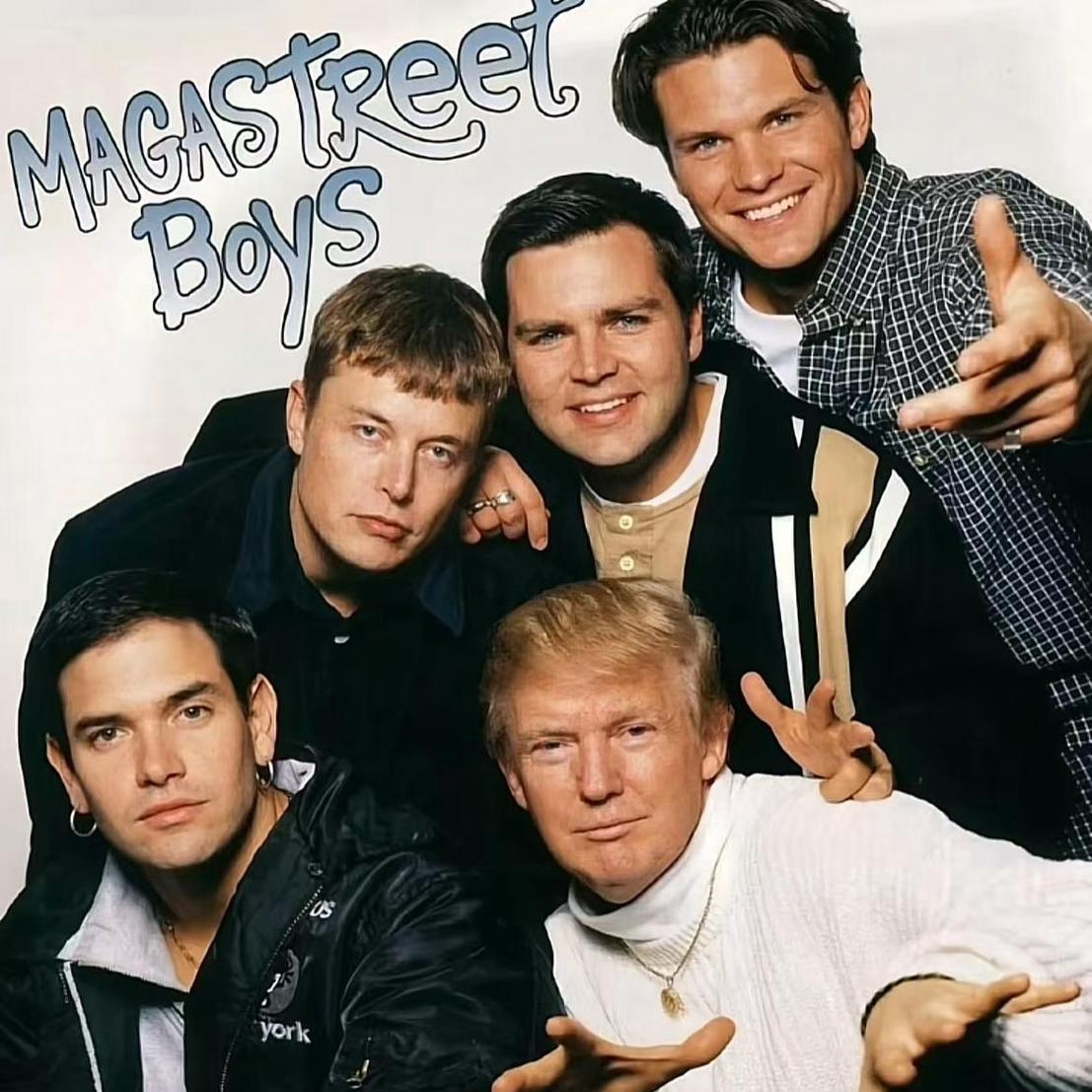

Trump’s 2.0 administration consolidates the MAGA movement through a core group of political allies, each embodying specific policy agendas. J.D. Vance bridges industrial interests with Silicon Valley right-wing ideology, while Elon Musk leverages his influence to challenge bureaucratic structures, albeit with mixed results in government efficiency. Marco Rubio provides a traditional hawkish anchor for foreign policy, and Pete Hegseth pushes for ideological alignment within the military. This transition from the 2016 political anomaly to a structured, multi-faceted governing coalition signals a transformation in US politics, characterized by aggressive protectionism, anti-establishment social stances, and a redefinition of American global engagement. The interplay between these figures reveals the inherent complexities and tensions of implementing populist agendas within established state institutions, marking a shift toward a more centralized and ideological approach to governance.
Sign in to continue reading, translating and more.
Continue

