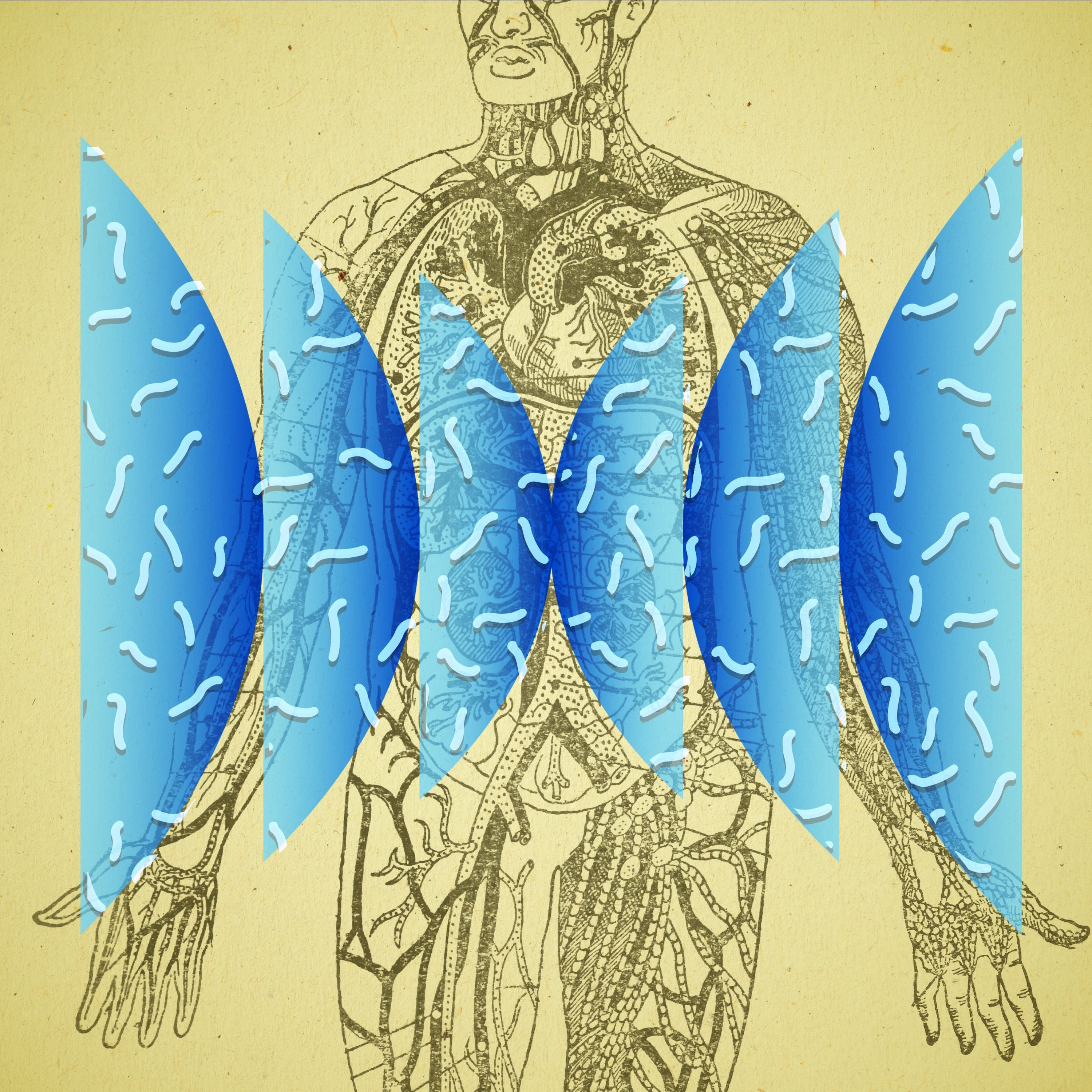
Hookworms, once viewed solely as dangerous parasites, offer potential therapeutic benefits for treating autoimmune and metabolic disorders. The "Hygiene Hypothesis" posits that modern sanitation has inadvertently removed organisms that co-evolved with humans, leaving the immune system prone to overreaction. Hookworms modulate this response by secreting proteins that dampen inflammation and regulate immune activity. Recent clinical trials, including research by Dr. Paul Jackaman, demonstrate that hookworm infection can improve metabolic health, specifically reducing insulin resistance and glucose levels in pre-diabetic patients. While some individuals have sought out these parasites to manage conditions like Crohn's disease and allergies, the treatment remains outside mainstream medicine. Regulatory challenges, safety risks, and the inherent difficulty of standardizing live parasite therapy prevent widespread adoption, leading researchers to explore synthetic alternatives derived from hookworm proteins.
Sign in to continue reading, translating and more.
Continue