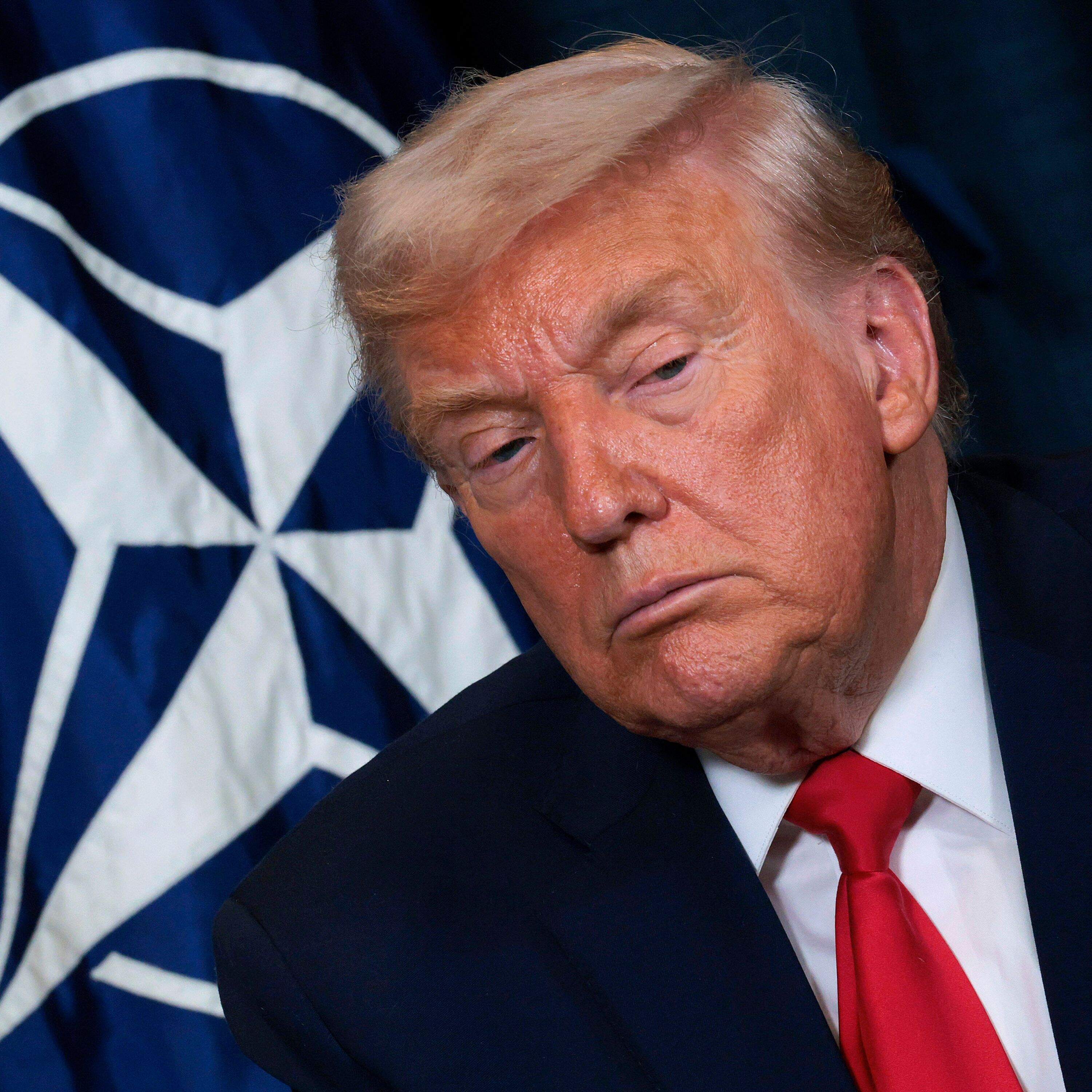
The North Atlantic Treaty Organization (NATO), a cornerstone of post-World War II global stability, faces unprecedented strain as the U.S. shifts toward a transactional foreign policy. While historian Heather Cox Richardson argues that NATO’s collective security and support for free trade provide an exceptionally "cheap" payoff for American prosperity, the Trump administration characterizes the alliance as a "protection racket" where allies are delinquent on defense spending. Funding consists of a common administrative budget and national defense targets, typically 2% of GDP. Although European spending has increased, specialist Nikki Akani notes that the U.S. still provides the most critical high-end capabilities, such as nuclear deterrence and surveillance. The current friction, exemplified by the withdrawal of troops from Germany, signals a move away from mutual assistance toward a "fee-for-service" model, prompting European leaders to consider security alliances that exclude the United States.
Sign in to continue reading, translating and more.
Continue


