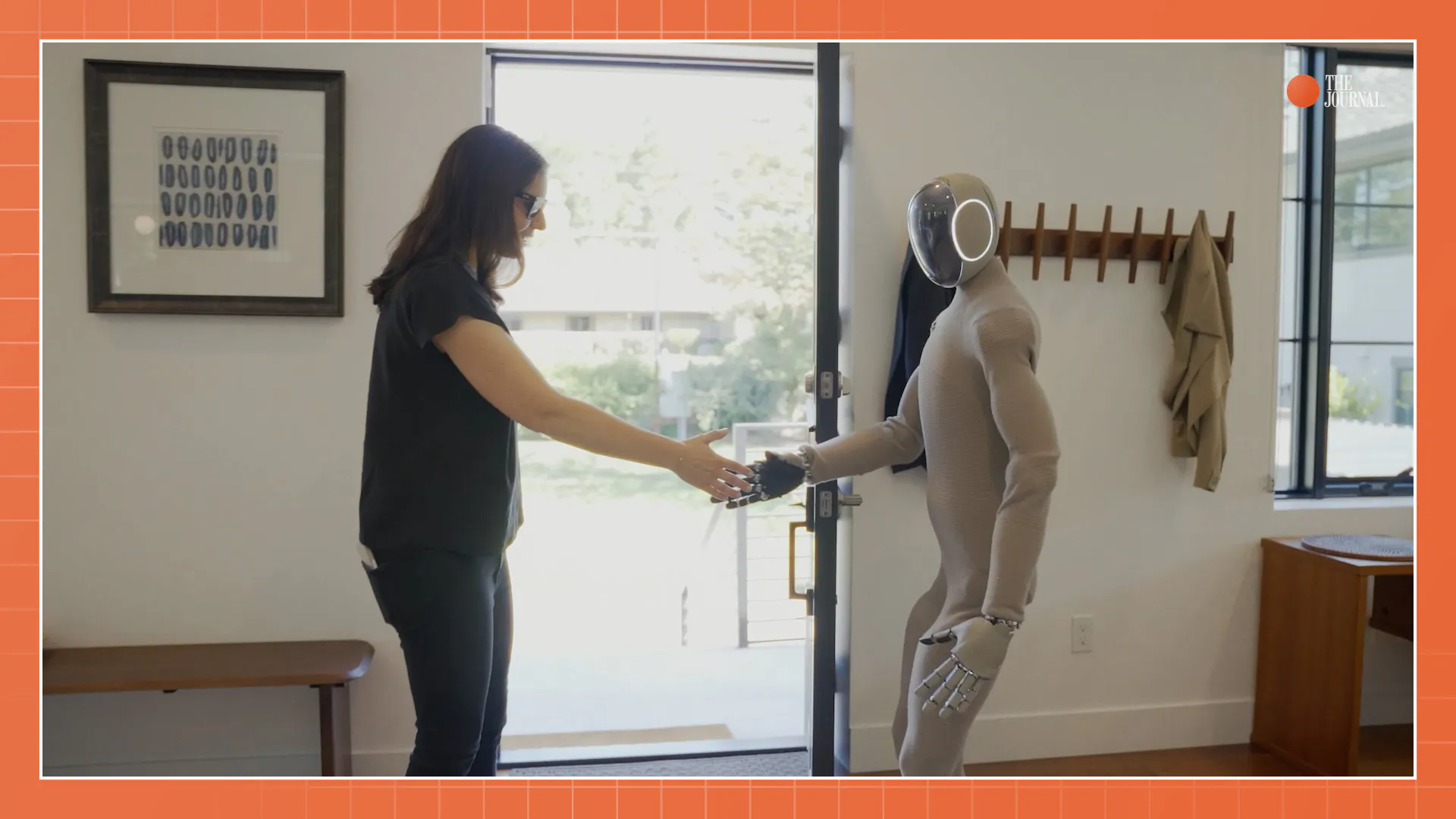
Joanna Stern, a tech journalist and author of *I Am Not a Robot*, spent a year integrating AI into every facet of her life to evaluate its real-world utility. While AI excels as a workplace assistant and provides critical support in medical diagnostics—such as identifying potential tumors in mammograms—it remains unreliable for household chores and complex human interactions. Relying on AI for tasks like writing or decision-making risks cognitive atrophy, particularly among younger generations who may lose the ability to think critically. Furthermore, the tendency of AI to "hallucinate" and provide confident misinformation necessitates a new level of digital literacy. Ultimately, human relationships require the friction of authentic interaction, a quality that machines, designed to pander to user needs, cannot replicate.
Sign in to continue reading, translating and more.
Continue


