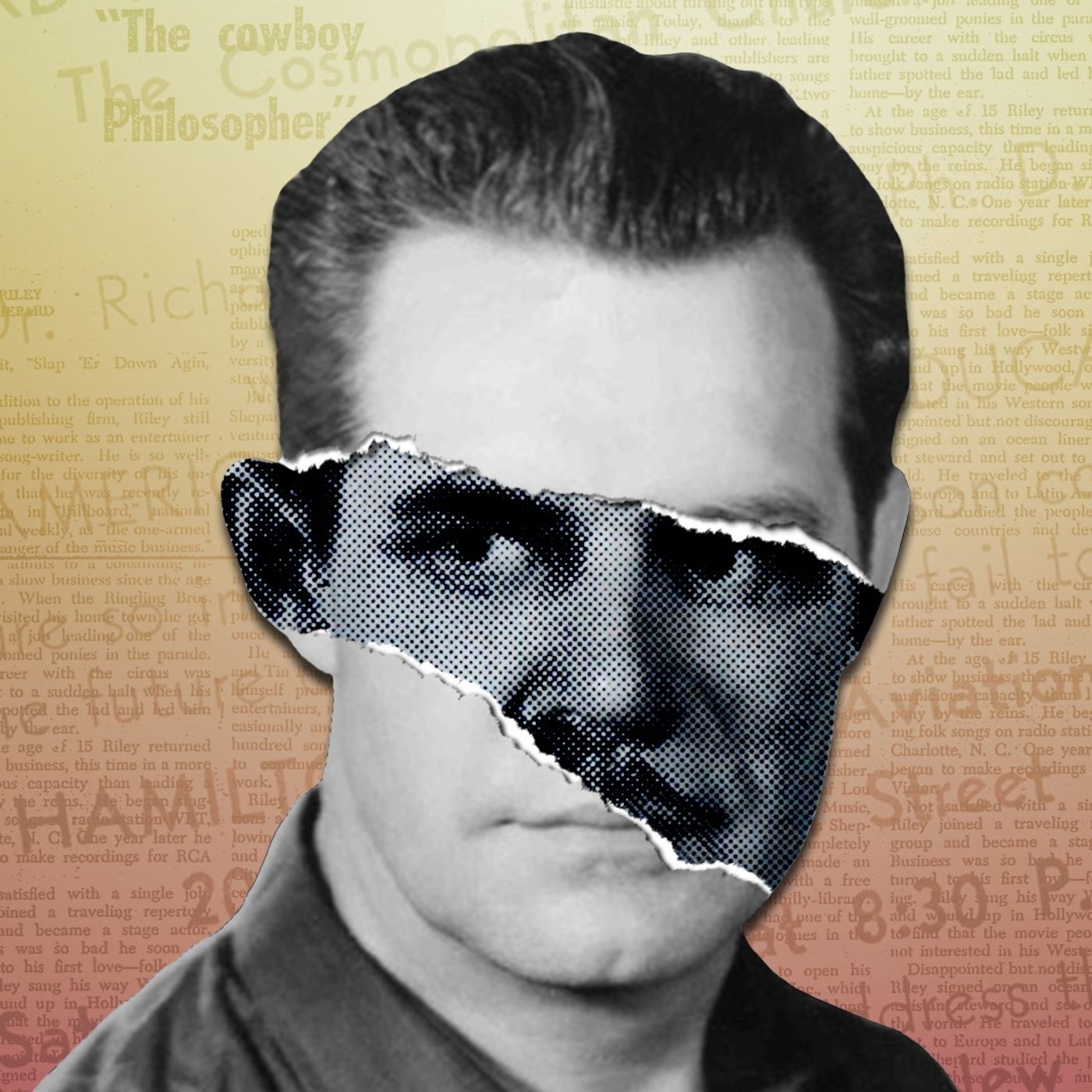
Secrets exert a profound influence on human behavior, oscillating between destructive burdens and tools for building intimacy. The life of Riley Shepard, a musician and conman, illustrates how obsession can drive individuals to create monumental, albeit misunderstood, works while simultaneously fracturing personal relationships. Psychological research, discussed with Harvard psychologist Leslie John, reveals that individuals often overestimate the negative impact of disclosing secrets; the distress of keeping them—ranging from personal regrets to identity-based truths—frequently outweighs the actual social consequences of revelation. While silence is a common default, strategic disclosure serves as a vital mechanism for fostering trust and emotional authenticity. Ultimately, the decision to share or conceal requires balancing the risks of vulnerability against the psychological costs of isolation, demonstrating that transparency is a skill that deepens human connection when practiced with discernment.
Sign in to continue reading, translating and more.
Continue


