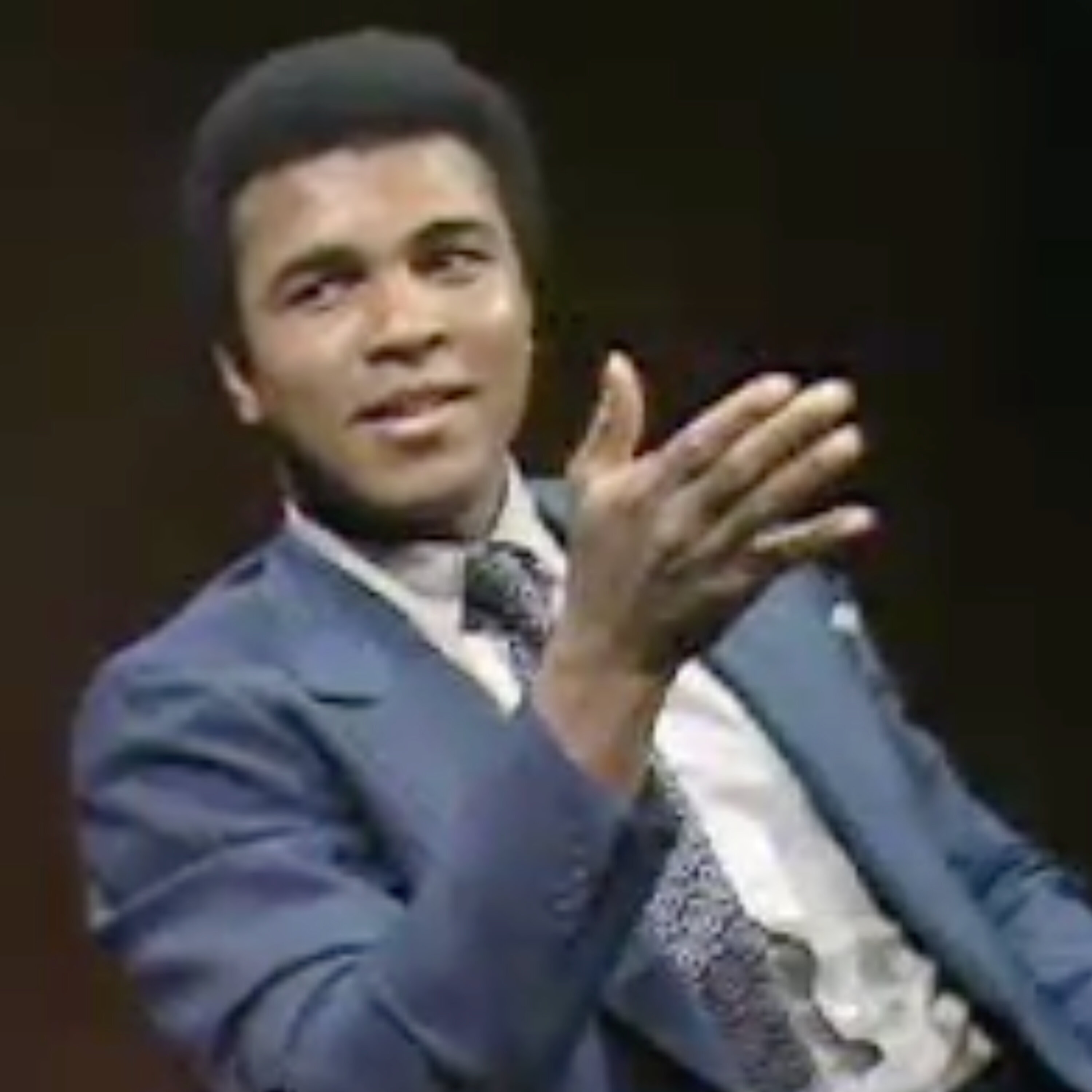
Muhammad Ali’s public persona serves as a blueprint for navigating the "outspoken black person exam"—a set of media-driven traps designed to test the boundaries of black celebrity in white-dominated spaces. Ali’s 1971 BBC interview with Michael Parkinson demonstrated his ability to maintain radical beliefs, such as his affiliation with the Nation of Islam, while simultaneously captivating a mainstream audience through charm and wit. However, his rivalry with Joe Frazier revealed the darker side of this performance, as Ali weaponized colorist tropes and divisive rhetoric to secure his status as the primary cultural icon. This dynamic highlights a fundamental tension between maintaining personal integrity and conforming to the expectations of a broader, often hostile, public. Unlike later figures who adopted more conciliatory strategies, Ali’s unapologetic, often combative approach redefined the possibilities for black expression in the media.
Sign in to continue reading, translating and more.
Continue