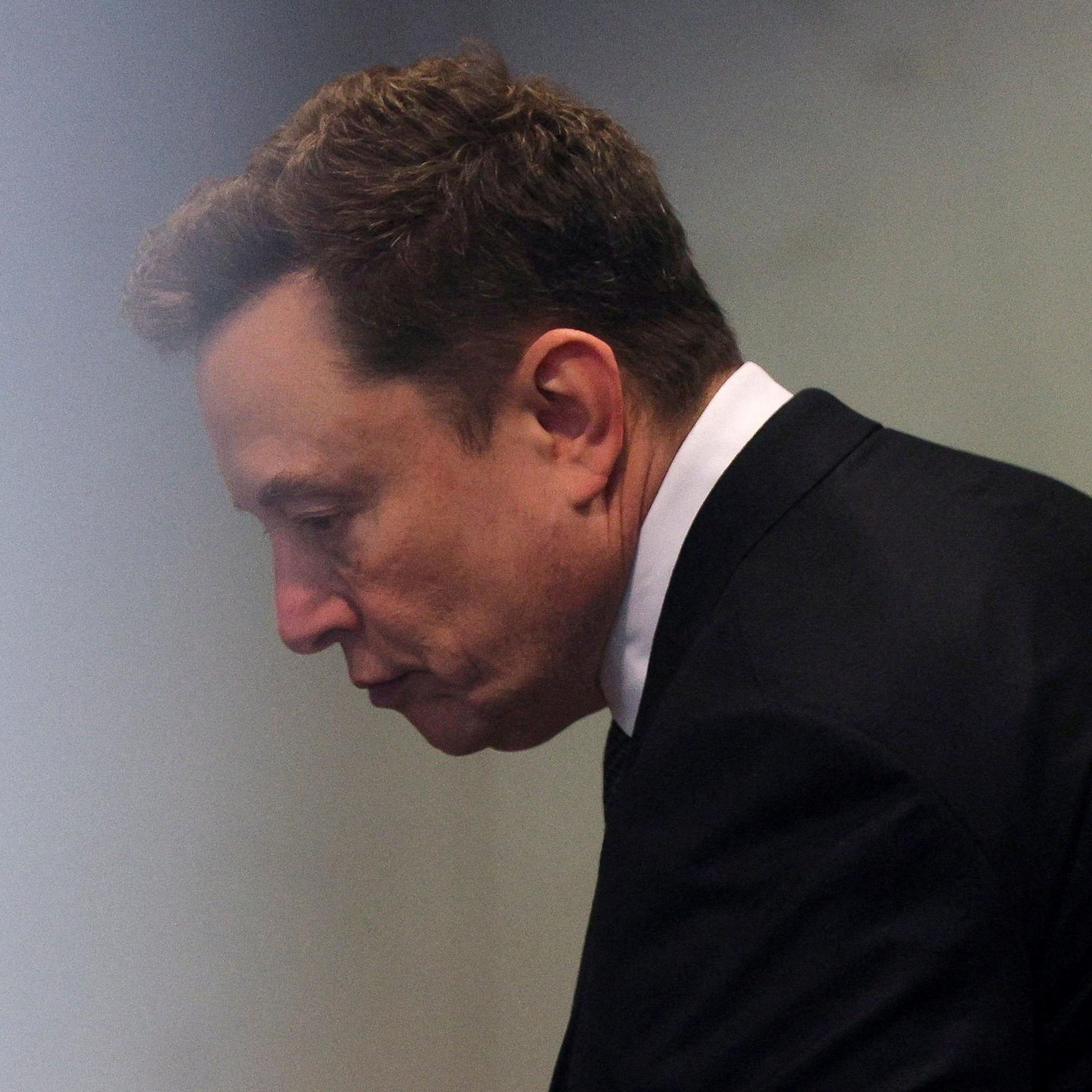
Elon Musk has transitioned from a high-profile advisor in the U.S. government to an increasingly influential, yet controversial, global power broker. His current legal battle against OpenAI CEO Sam Altman highlights fundamental tensions regarding the shift from nonprofit safety-focused AI development to for-profit commercialization. Beyond the courtroom, Musk’s Starlink satellite network has become a critical, centralized infrastructure for global internet access, frequently operating in war zones and disaster-stricken regions where he unilaterally dictates connectivity. Furthermore, his proposal to launch one million satellites to establish space-based data centers signals an ambitious attempt to bypass terrestrial power constraints for AI processing. This concentration of control over global communications and technology, operating without the term limits or democratic accountability of a head of state, positions Musk as an unprecedented and autonomous force in international affairs.
Sign in to continue reading, translating and more.
Continue