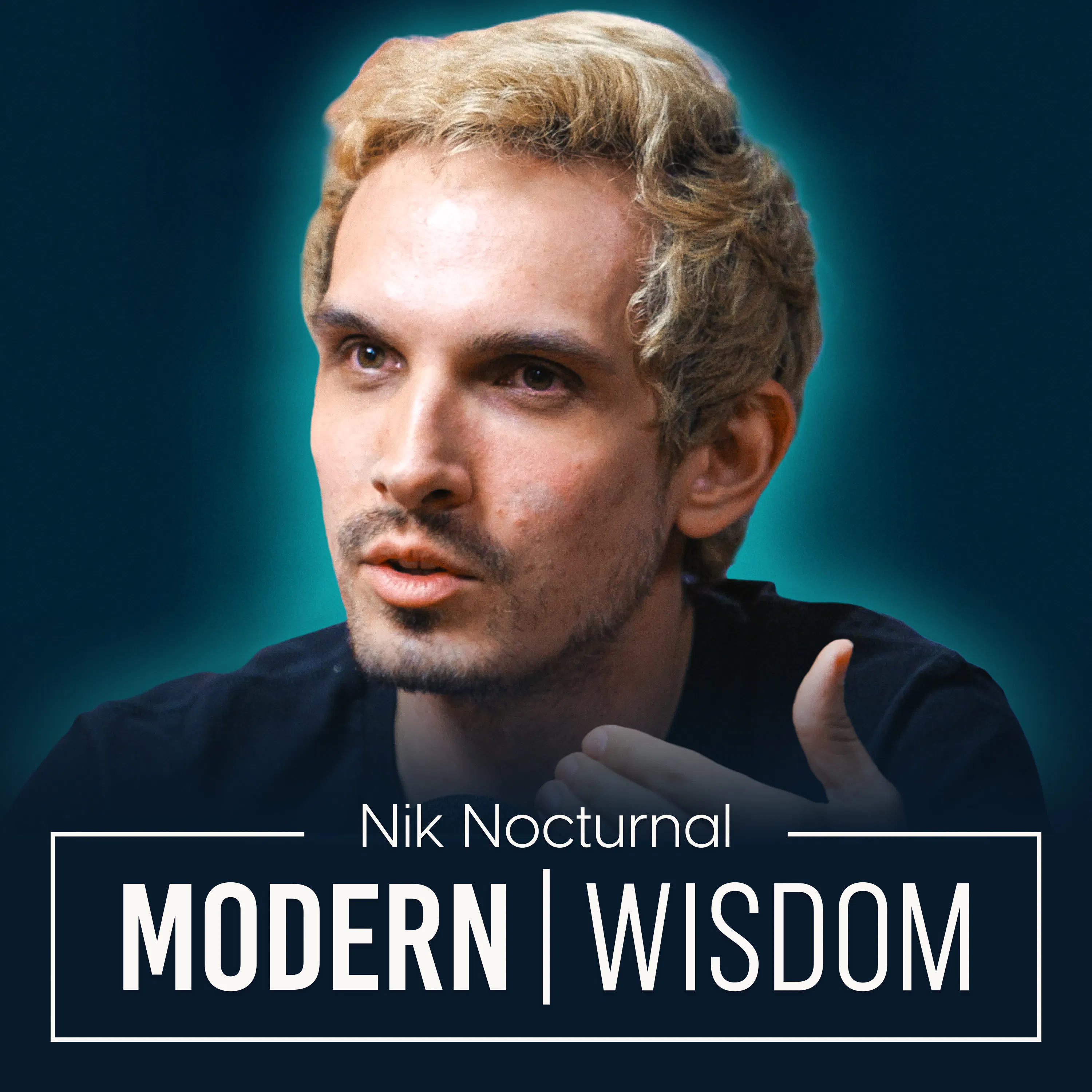
TikTok has fundamentally altered modern metal by incentivizing the creation of short, high-impact "moments"—such as breakdowns or vocal gymnastics—designed for viral consumption rather than traditional, cohesive song structures. This shift, coupled with aggressive marketing tactics like "trend simulation," has led to a rise in engineered industry success, blurring the line between organic popularity and manufactured hype. Beyond production, the digital creator economy imposes a unique psychological burden; unlike musicians or comedians who receive immediate, high-amplitude feedback from live audiences, digital creators face isolating, low-amplitude feedback loops that drive high burnout rates. Despite these pressures, the metal scene remains deeply connected to its 2000s roots, with legacy bands and new acts alike balancing technical innovation with the nostalgic, genre-fluid sensibilities that defined the formative years of the current generation of artists.
Sign in to continue reading, translating and more.
Continue


